Rapeseed and its low-erucic cousin canola are small round seeds, typically 38–45% oil by weight (industry range). The seed coat is thin and pressed along with the kernel — there is no dehulling step — which makes rapeseed one of the simpler oilseeds to prepare, but the small seed size puts extra weight on cleaning and flaking quality.
Clean with a seed cleaning machine fitted with fine mesh, backed by air separation and ideally magnetic removal of tramp metal. Weed seeds and tiny stones travel with rapeseed easily, and at this seed size they pass coarse screens — fine-mesh screening on a vibrating screen is what catches them.
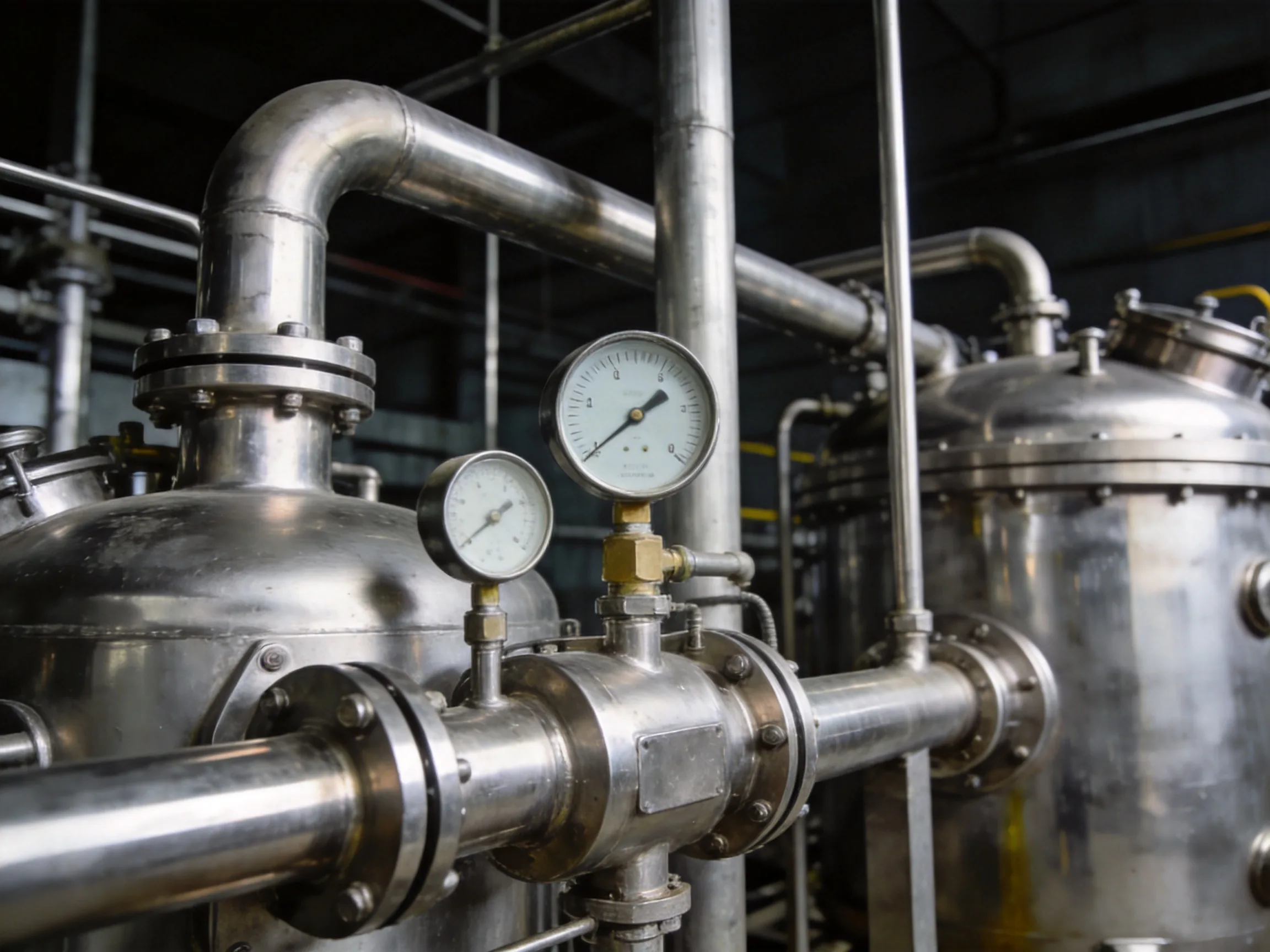
Pass cleaned seed through flaking rolls (or a crusher on smaller lines). The goal is rupturing the oil cells inside each tiny seed; whole rapeseed presents almost no surface for heat or pressure to work on. Thin, intact flakes are the ideal — they cook evenly and press cleanly.
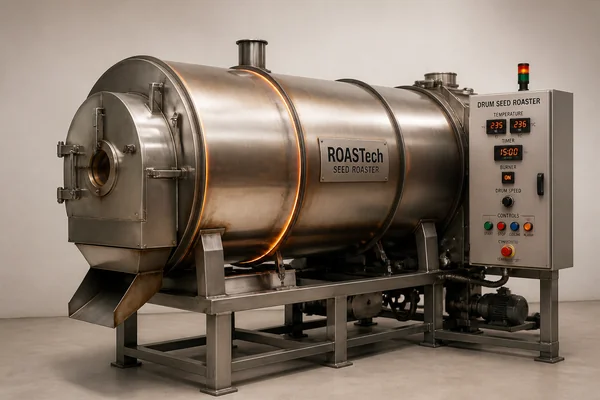
Cook the flakes to roughly 80–90°C in a stack cooker or seed roaster, with moisture conditioning. Cooking completes cell rupture, drops oil viscosity, and helps deactivate the myrosinase enzyme that otherwise degrades oil and meal quality in rapeseed (a step specific to brassica seeds).
From the cooker, material goes hot into the screw press. Full line layout and machine sizing logic is in the complete pretreatment line guide — for rapeseed, substitute the dehulling stage with flaking.
No. The seed is too small to dehull economically and the thin coat presses along with the kernel. Pretreatment effort goes into fine cleaning, flaking and cooking instead.
Roughly 80–90°C with moisture conditioning is the common window for hot pressing. It ruptures oil cells, thins the oil, and helps deactivate the enzyme that can taint rapeseed oil and meal.
Typically 38–45% by weight (industry range) for modern rapeseed and canola varieties. Press yield depends heavily on flaking and cooking quality, not just seed oil content.
Yes — cold-pressed rapeseed oil is a recognized premium product, but yield is noticeably lower and the press works harder. Most commercial mills hot-press; cold pressing suits niche, higher-price markets.
Canola is a rapeseed variety bred for low erucic acid and low glucosinolates, making the oil food-grade by modern standards. From a pretreatment standpoint they are processed the same way.
SinoOil engineers size the right pretreatment equipment for your capacity — free plant design included.