
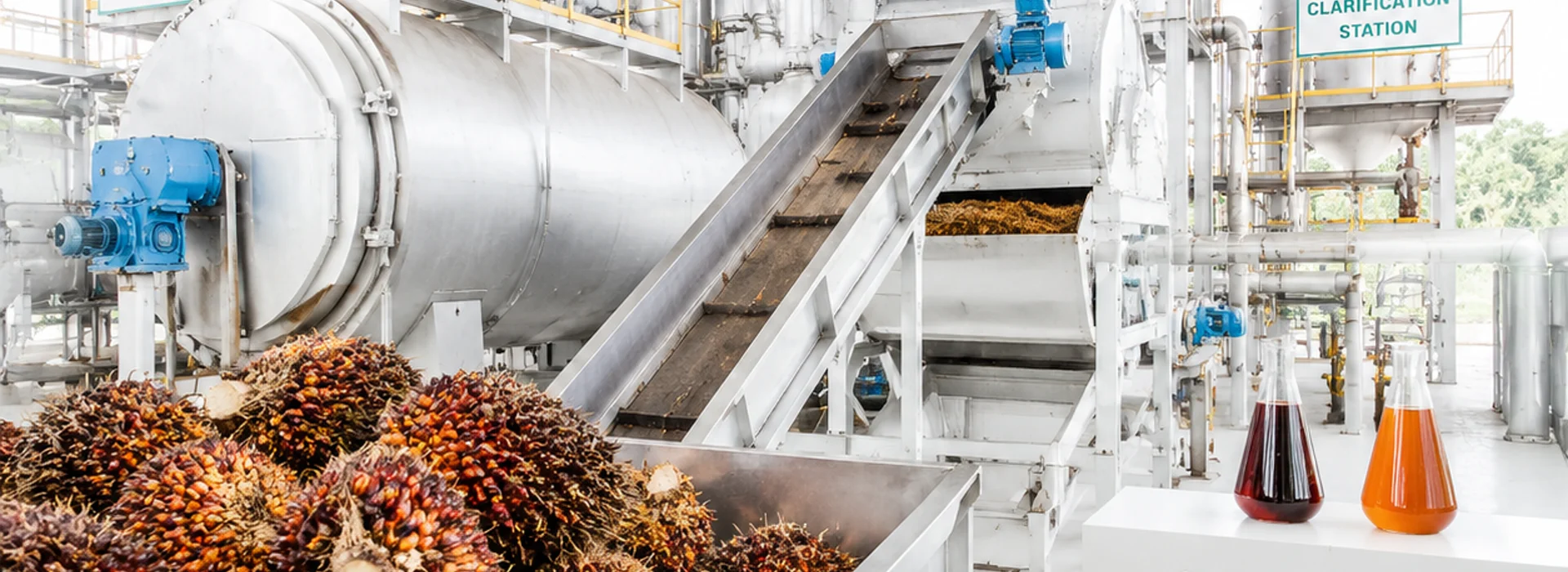
Complete Palm Oil Processing Plant Solution
Tailored 🌴 oil processing solutions from small mills to industrial plants
Why Invest in Palm Oil Processing Plant Solution?
Palm oil is the world's most consumed vegetable oil — with the highest oil yield per hectare, strong export demand and multiple revenue streams from CPO and palm kernel products
Market Demand
Global consumption exceeds 75 million tonnes annually. Strong demand across food manufacturing, cooking oil brands, oleochemicals and biodiesel — with Indonesia, Malaysia, India and China as major import markets.
Oil Content Advantage
Fresh fruit bunches yield 20–24% crude palm oil (CPO) with mesocarp oil content of 45–55%. Highest productivity per hectare among major oil crops — ideal for plantation-integrated mills.
Application Diversity
Refined palm oil serves cooking oil, margarine, bakery fats and instant noodles. CPO and fractions feed soap, cosmetics, biodiesel and industrial oleochemical markets worldwide.
Profit Potential
Palm kernel oil, kernel cake and empty fruit bunch fibre add secondary revenue. Integrated mills co-located with plantations often achieve faster payback through combined CPO and kernel sales.
⚠️ Palm oil is different — not a seed oil
Process: Sterilization → Threshing → Digestion → Pressing → Clarification → Refining
Raw material: Uses fresh palm fruit (FFB), not seeds
CPO: Requires clarification, fractionation and refining for food-grade output
Major markets: Indonesia, Malaysia, Nigeria, Thailand
Palm Oil Processing Plant Solution — Production Process
Seven essential steps from fresh fruit bunches to refined palm oil — engineered for sterilization, high oil recovery and export-quality CPO
Recommended Equipment for Palm Oil Processing Plant Solution
Integrated palm mill equipment from sterilization through pressing, clarification and refining — configured for your FFB supply and capacity target
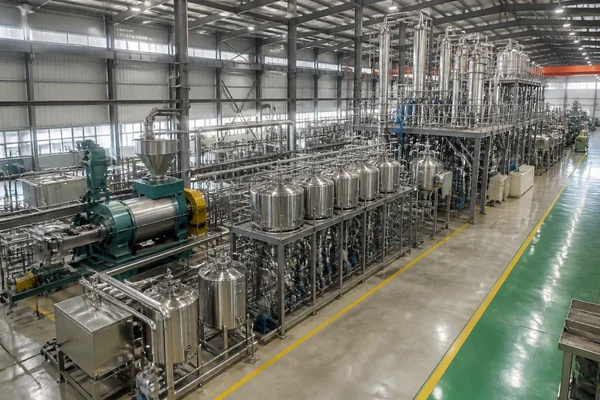
Palm Fruit Sterilizer
Horizontal or vertical sterilizers with steam systems — loosen fruit, reduce FFA and prepare bunches for threshing.
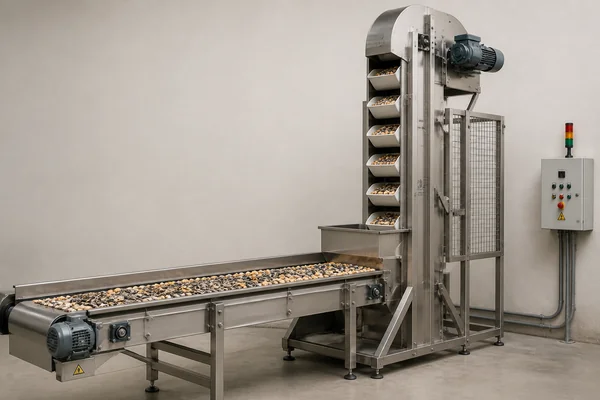
Palm Thresher
Drum or rotary thresher separates loose fruit from empty bunches — high throughput with minimal fruit damage.
Palm Digester
Steam-jacketed digester breaks down fruit mesocarp and conditions material for maximum oil release at press inlet.
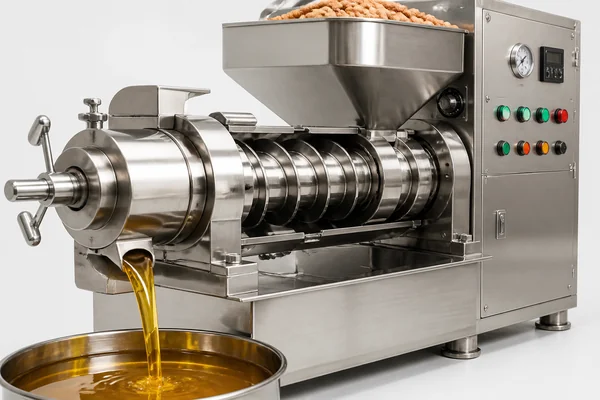
Screw Palm Press
Heavy-duty screw press designed for palm fruit — reliable CPO output from small mills through industrial complexes.
View Equipment →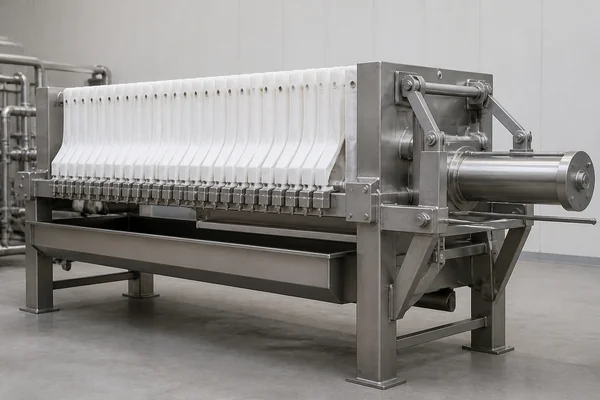
Crude Oil Clarification
Clarifier, decanter and vacuum filtration remove sludge and moisture — producing export-grade crude palm oil.
View Equipment →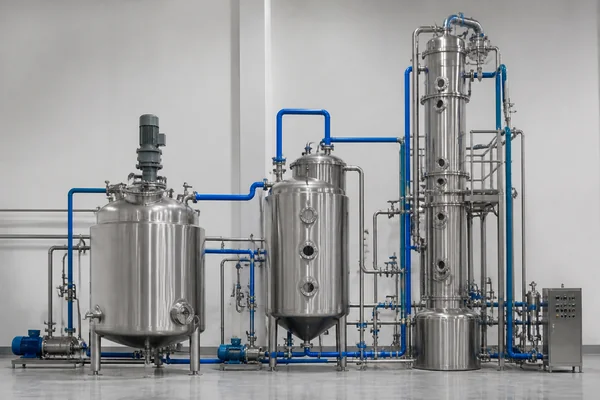
Palm Oil Refinery
Batch or continuous refinery with fractionation — RBD palm olein and stearin for cooking oil and food manufacturing.
View Equipment →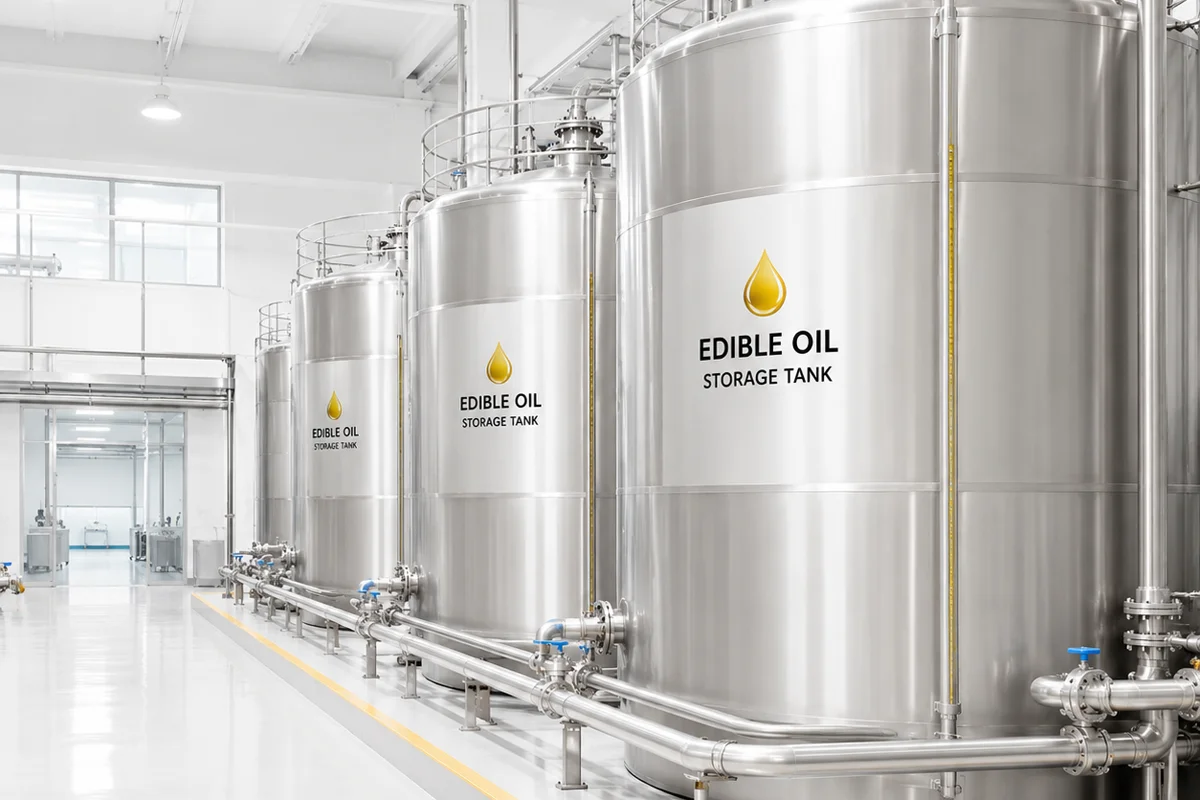
Oil Storage Tanks
CPO and refined oil storage with heating, agitation and level monitoring — sized for mill output and dispatch schedules.
View Equipment →Available Plant Capacities
Palm oil mills from community-scale operations to 100+ TPD industrial complexes — matched to your FFB supply and plantation area
Small Mill
- Sterilizer, thresher and single screw press
- Basic clarification; batch refinery optional
- Workshop: 400–800 m²
- ~3–15 tons FFB/day input
Commercial Plant
- Full mill line: sterilization through CPO
- Clarification system and kernel recovery
- Workshop: 800–2,000 m²
- Ideal for estate and cooperative mills
Mid-Scale Factory
- Multi-sterilizer and automated conveying
- Semi-continuous refinery with fractionation
- Workshop: 2,000–4,500 m²
- Power: 350–750 kW typical
Large Processing Plant
- Industrial sterilizer battery and press line
- Continuous refinery and tank farm
- Site area: 4,500–8,000 m²
- Regional CPO and refined oil supply
Industrial Factory
- Full mill + kernel crushing + refinery complex
- EFB handling, biogas and utility integration
- Site area: 10,000 m² and above
- Export CPO and national brand supply
Typical Plant Layout Examples
Three reference layouts for palm oil mills — customized to land plot, FFB logistics and local building codes
Small Mill Layout
Capacity: 1–5 TPD
Area: 400–800 m² — FFB ramp, sterilizer, thresher, digester, press, clarification and CPO storage in compact sequence.
Staff: 8–18 operators per shift. Suited for estate-side or community mill investors.
Commercial Plant Layout
Capacity: 5–20 TPD
Area: 800–2,000 m² with separated sterilization, processing hall, kernel line, refinery wing and FFB storage yard.
Staff: 20–45 workers across two shifts with QC lab for FFA and moisture testing.
Industrial Factory Layout
Capacity: 20–100+ TPD
Area: 2,000–10,000 m²+ with multi-line sterilization, press battery, continuous refinery, kernel plant, tank farm and administration.
Staff: 50–120+ personnel — structured for continuous FFB intake and export documentation.
We provide 2D layout drawings, equipment foundation plans and material flow diagrams. Request palm oil plant layout design →
Global Palm Oil Processing Plant Projects
Palm oil mills delivered across Southeast Asia, Africa and the Americas — from estate mills to industrial refinery complexes
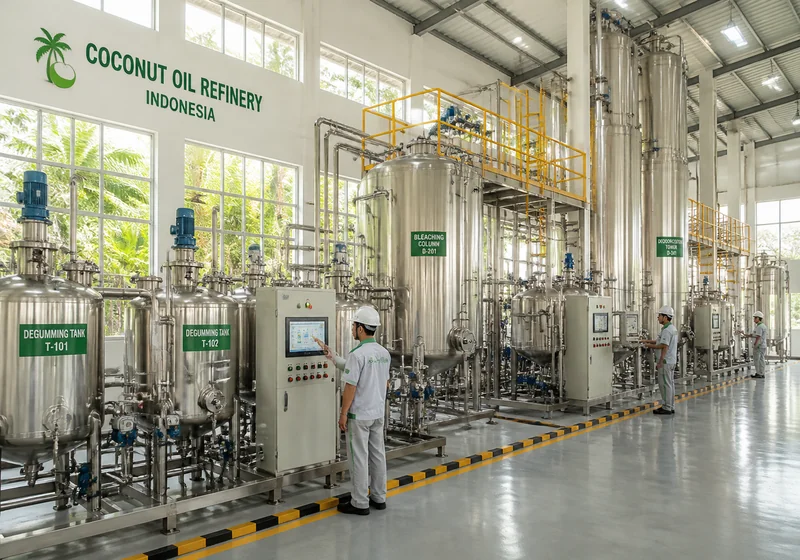
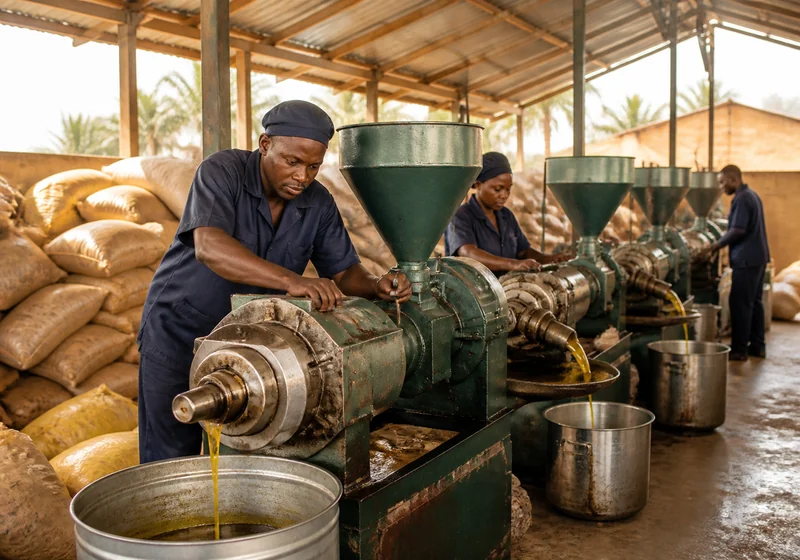
Indonesia · Sumatra
30 TPD Palm Oil Mill
- Sterilizer, thresher and digester line
- Double screw press with clarification
- Kernel recovery and CPO storage tanks
Malaysia · Sabah
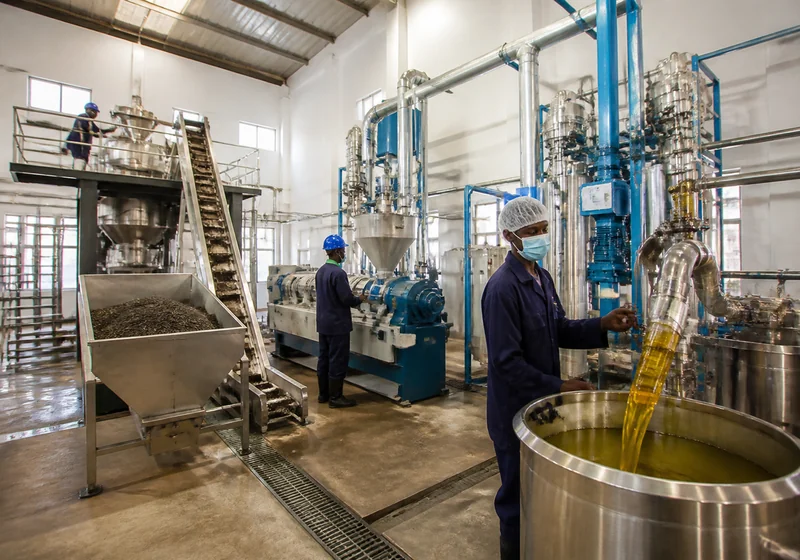
60 TPD Palm Oil Plant
- Multi-sterilizer commercial mill design
- Continuous refinery with fractionation
- Export-grade RBD palm olein supply
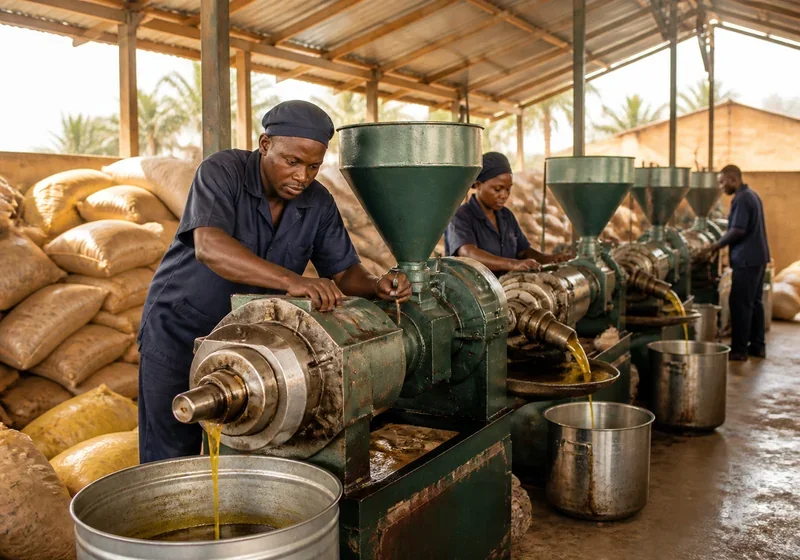
Nigeria · Edo State
15 TPD Palm Oil Mill
- Small-scale sterilization and pressing
- On-site installation and operator training
- Local cooking oil and kernel cake sales
Thailand · Surat Thani
25 TPD Palm Oil Mill
- Estate-integrated FFB processing line
- Semi-continuous refinery for domestic market
- Dual revenue: CPO and palm kernel products
Frequently Asked Questions
Palm oil (CPO) is extracted from the mesocarp (fruit flesh) through sterilization, threshing, digestion and pressing. Palm kernel oil comes from the inner seed after kernel cracking — a separate process line. Most integrated mills process both for maximum revenue from each fresh fruit bunch.
Palm oil uses fresh fruit bunches, not dry seeds. The process requires sterilization and threshing before pressing — steps that do not exist in peanut, soybean or sunflower lines. Equipment, layout and utilities (steam, water) are designed specifically for palm mill operations.
Well-run mills typically achieve 20–24% crude palm oil from fresh fruit bunch weight, depending on fruit ripeness, variety and process efficiency. Mesocarp oil content is 45–55% of fruit weight. Kernel recovery adds 4–6% additional oil equivalent from nuts.
Investment depends on daily capacity, sterilizer type and refining scope. A 10 TPD commercial mill with sterilization, pressing and clarification typically ranges from USD 180,000–350,000 (equipment only). A 30 TPD plant with refinery may range from USD 500,000–900,000. Share your FFB supply and country for a detailed quotation within 48 hours.
5–20 TPD is the most requested range for estate mills and cooperative projects in Africa and Southeast Asia. Investors with established plantations often start at 10–15 TPD and expand refinery capacity once CPO sales are proven. We help match capacity to your annual FFB harvest.
Yes. We supply engineering design, equipment manufacturing, shipping, installation supervision, commissioning and operator training. Turnkey scope can include civil works guidance, steam boiler integration and refinery process optimization. Share your capacity, country and FFB supply source for a detailed proposal.
Ready to Build Your Palm Oil Processing Plant Solution?
Share your daily capacity, FFB supply source and target market — our engineers will prepare a free plant proposal and layout design within 48 hours.