
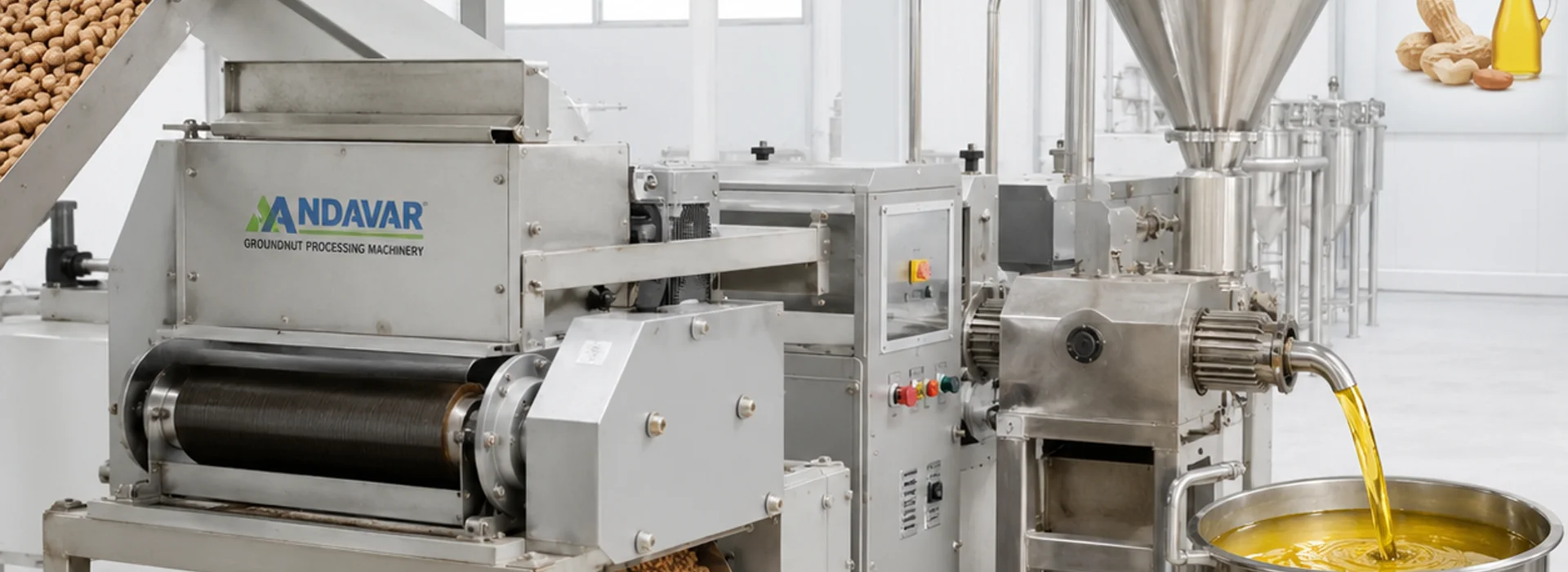
Complete Peanut Oil Processing Plant Solution
Tailored 🥜 oil processing solutions from small mills to industrial plants
Why Invest in Peanut Oil Processing Plant Solution?
Groundnut oil remains one of the most valued edible oils in emerging markets — with strong demand, high oil content and diverse revenue streams
Market Demand
Peanut oil is a staple cooking oil across Africa, South Asia and the Middle East. Growing urban populations and preference for natural, aromatic oils drive consistent retail and wholesale demand year-round.
Oil Content Advantage
With 40–50% oil content in good-grade groundnuts, peanut processing delivers high output per ton of raw material — fewer tons of seed needed compared to soybean or cottonseed for the same oil volume.
Application Diversity
Sell crude aromatic oil for local cooking, refined oil for supermarkets, or supply food manufacturers. Peanut cake and shells add secondary income as animal feed, fertilizer or biomass fuel.
Profit Potential
Groundnut oil commands premium market value over generic vegetable oils. Local production eliminates import costs — many operators achieve strong margins and 12–24 month payback at full capacity.
Primary markets include Africa, South Asia and the Middle East, where consumers recognize groundnut oil by its rich aroma and golden color. Premium positioning supports higher shelf prices than blended vegetable oils.
Peanut Oil Processing Plant Solution — Production Process
Six essential steps from raw groundnuts to packaged edible peanut oil — optimized for yield, aroma and food safety
Recommended Equipment for Peanut Oil Processing Plant Solution
Proven machines configured for groundnut processing — from seed preparation through pressing, filtration and refining
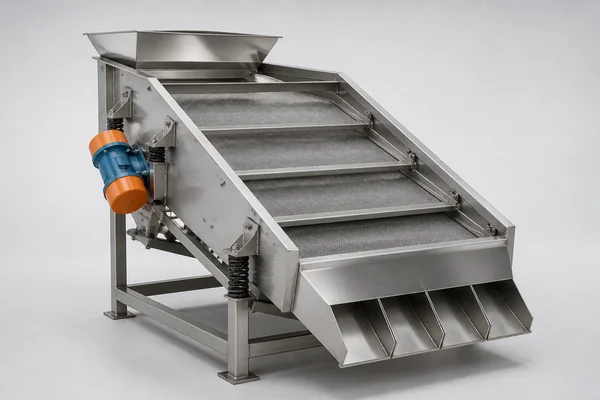
Seed Cleaning / Shelling Machine
Vibrating screen, destoner and peanut decorticator remove impurities and shells before roasting — protecting downstream equipment and improving oil yield.
View Equipment →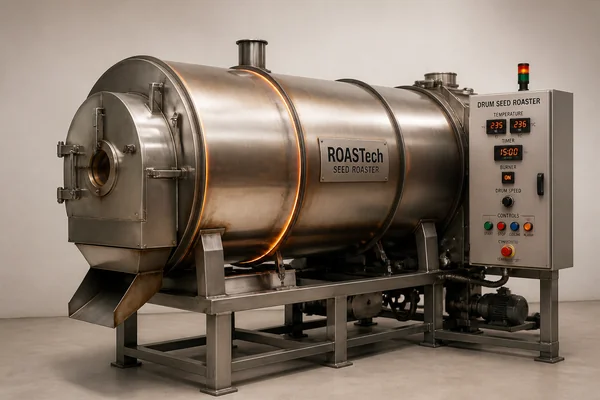
Peanut Roaster
Drum or belt roaster with temperature control develops the signature groundnut aroma and optimizes moisture for maximum pressing efficiency.
View Equipment →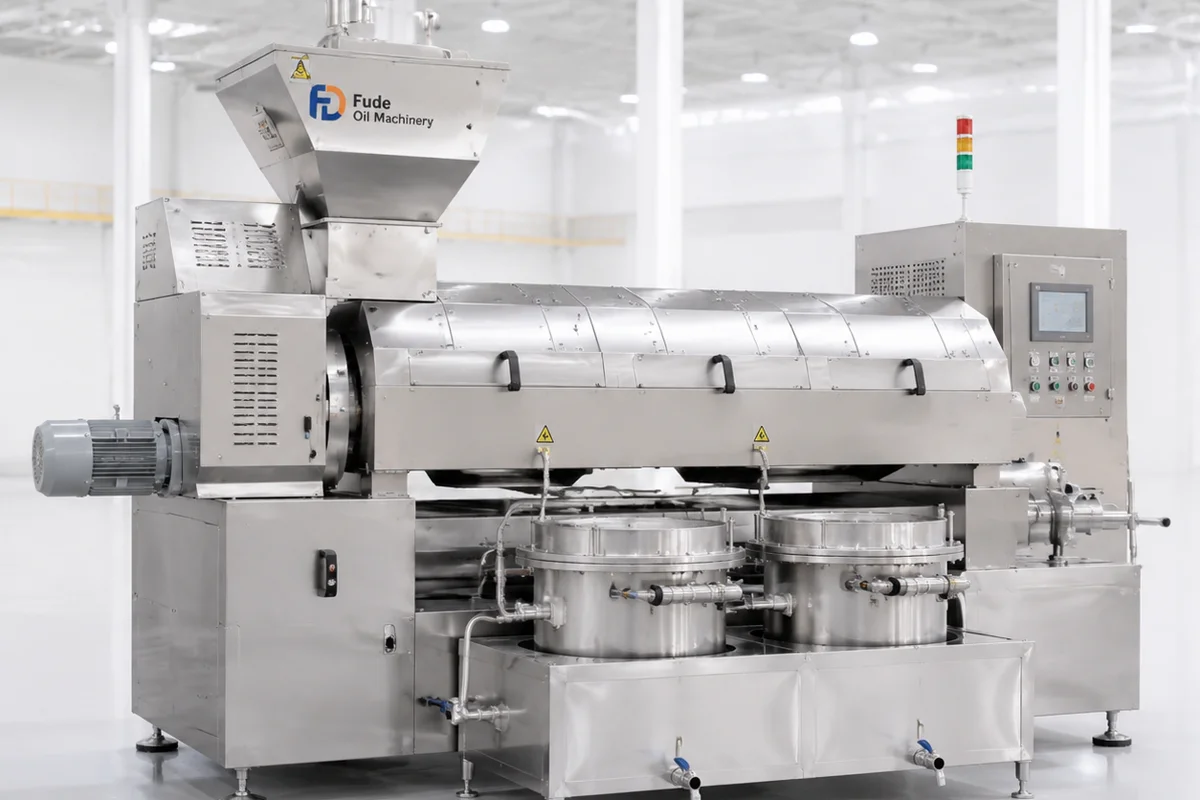
Screw Oil Press
Heavy-duty screw press engineered for oil-rich groundnuts — continuous extraction with adjustable cake thickness and high oil recovery rates.
View Equipment →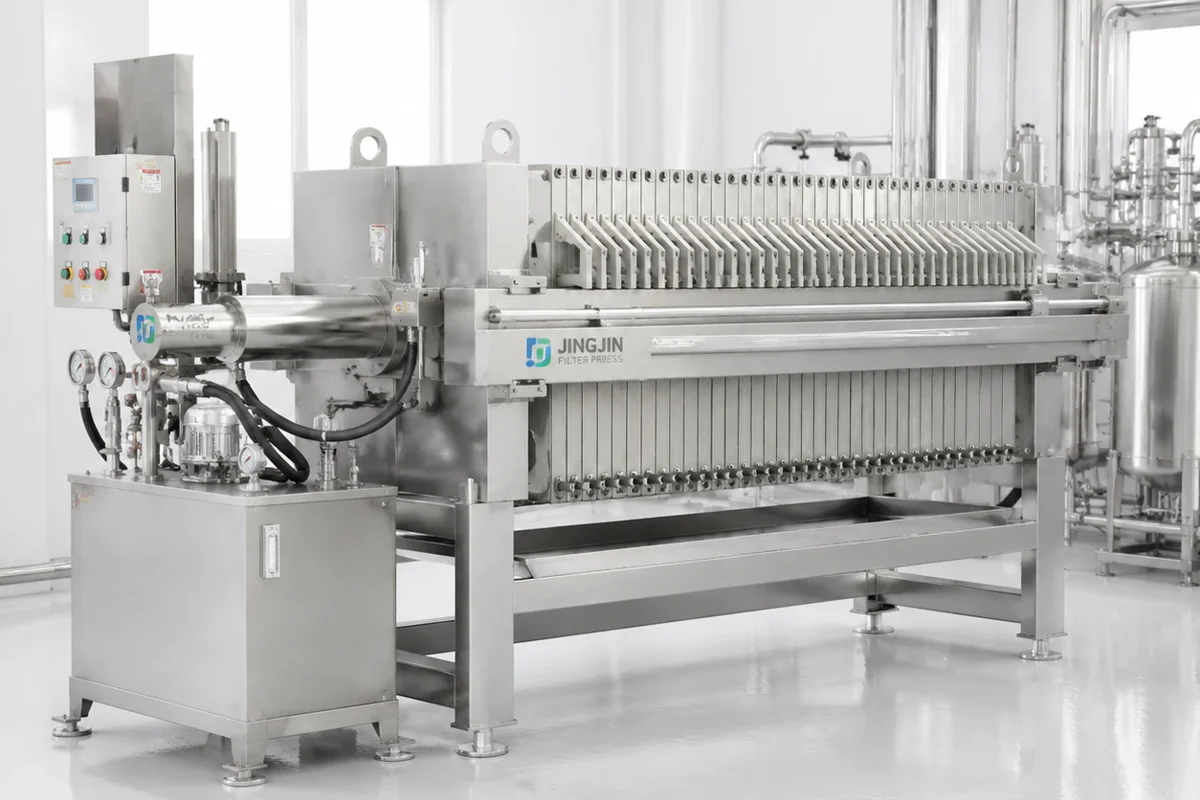
Oil Filter Machine
Plate-and-frame or vacuum filtration removes fine particles from crude peanut oil — producing clearer oil ready for storage or refining.
View Equipment →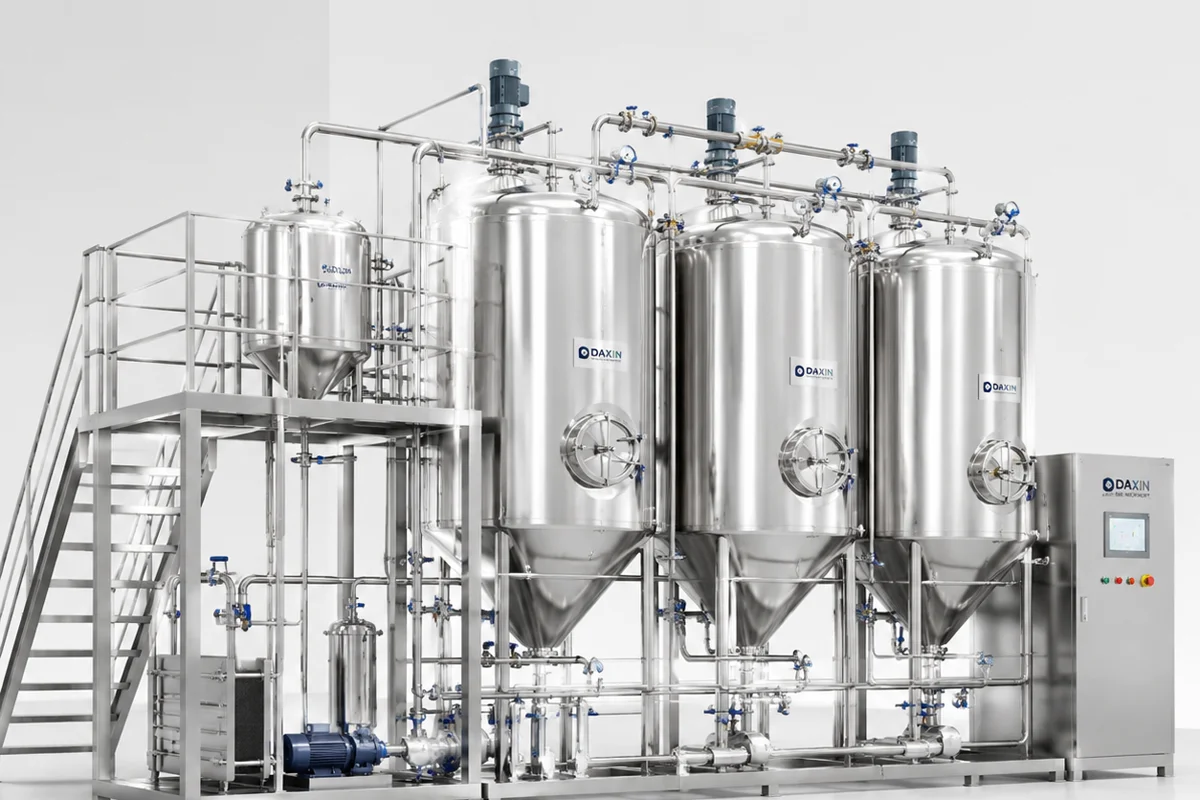
Batch Oil Refinery
Degumming, neutralizing, bleaching and deodorizing modules upgrade crude groundnut oil to retail-grade standards for supermarkets and export.
View Equipment →Available Plant Capacities
Choose a peanut oil plant scale matched to your raw material supply, target market and investment budget
Small Mill
- Ideal for startups and cooperatives
- Cleaner, roaster, 1–2 screw presses, plate filter
- Workshop: 80–280 m²
- ~2–11 tons groundnuts/day input
Commercial Plant
- Full prep line with shelling and roasting
- Multiple presses, filtration and storage tanks
- Workshop: 300–800 m²
- Regional wholesale and branded retail supply
Mid-Scale Factory
- Automated conveying and centralized control
- Optional batch or semi-continuous refinery
- Workshop: 800–1,800 m²
- Power: 150–350 kW typical
Large Processing Plant
- Integrated pressing and refining lines
- PLC monitoring, tank farm and QC lab zones
- Workshop: 1,800–3,500 m²
- Export-oriented production capability
Industrial Refinery Complex
- Continuous extraction and refining systems
- Multi-building layout with utility block
- Site area: 8,000 m² and above
- National distributor and export supply
Typical Plant Layout Examples
Three reference layouts for peanut oil plants — customized to your land plot, capacity and local building regulations
Small Mill Layout
Capacity: 1–5 TPD
Area: 80–280 m² workshop in a single hall — raw material bay, prep zone, press area, filtration corner and finished oil storage.
Staff: 2–6 operators per shift. Compact linear flow minimizes material handling.
Commercial Plant Layout
Capacity: 5–20 TPD
Area: 300–800 m² with separated shelling, roasting, pressing and packaging zones — plus raw groundnut warehouse and cake storage.
Staff: 8–20 workers across two shifts with dedicated QC sampling point.
Industrial Factory Layout
Capacity: 20–100+ TPD
Area: 800–3,500 m²+ processing hall with utility block, tank farm, refinery wing, loading bay and administration building.
Staff: 25–70+ personnel — structured for continuous production and export documentation.
We provide 2D layout drawings, equipment foundation plans and material flow diagrams. Request peanut plant layout design →
Global Peanut Oil Processing Plant Projects
Groundnut oil plants delivered across Africa, Asia and the Middle East — from village mills to industrial processing lines
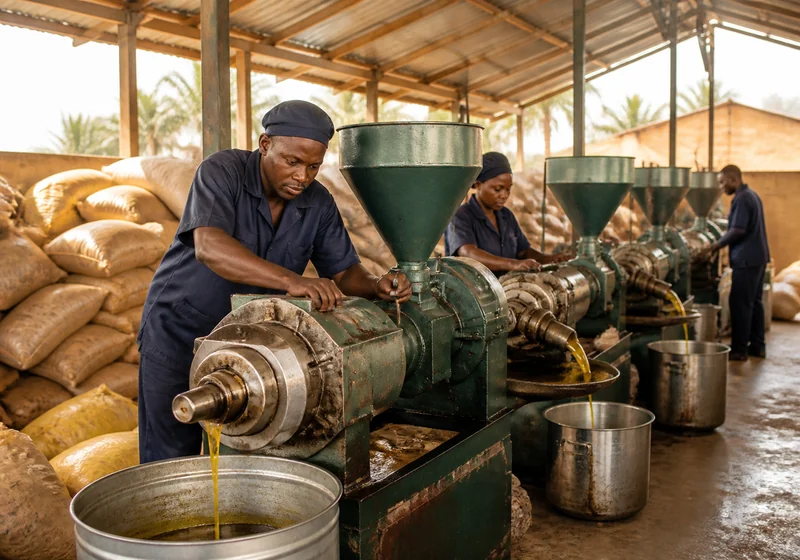
Ghana · Kumasi
3 TPD Peanut Oil Mill
- Agricultural cooperative project
- Shelling, roasting and screw press line
- Local branded groundnut oil retail
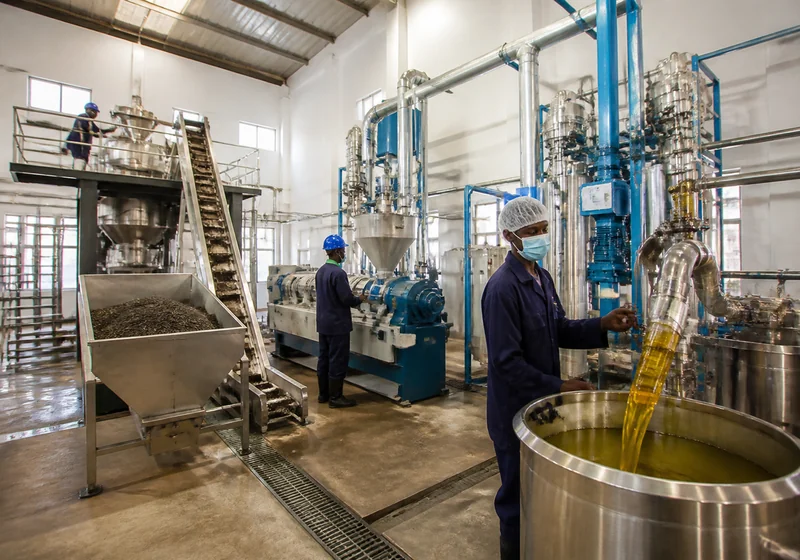
Nigeria · Kano
20 TPD Peanut Oil Plant
- Full preparation and pressing line
- Plate filter and storage tanks
- Regional wholesale distribution
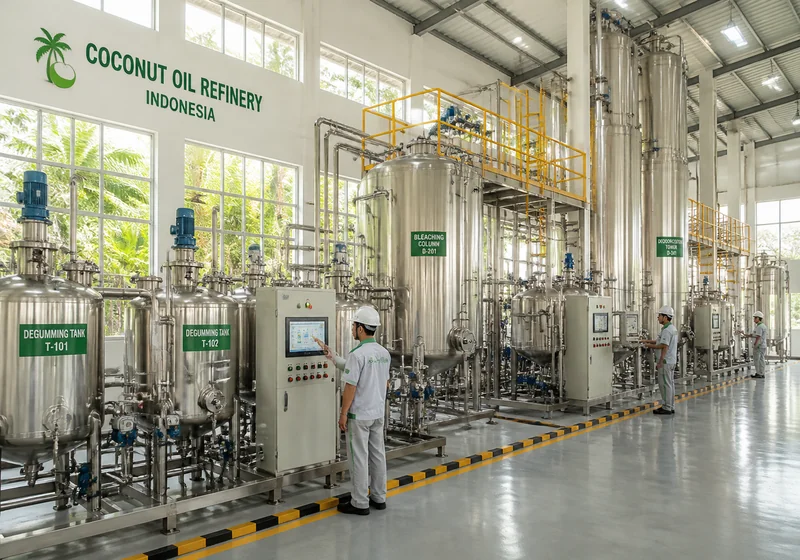
India · Gujarat
10 TPD Groundnut Oil Plant
- Roasting + multi-press configuration
- Batch refinery for supermarket grade
- Cake sold to cattle feed suppliers
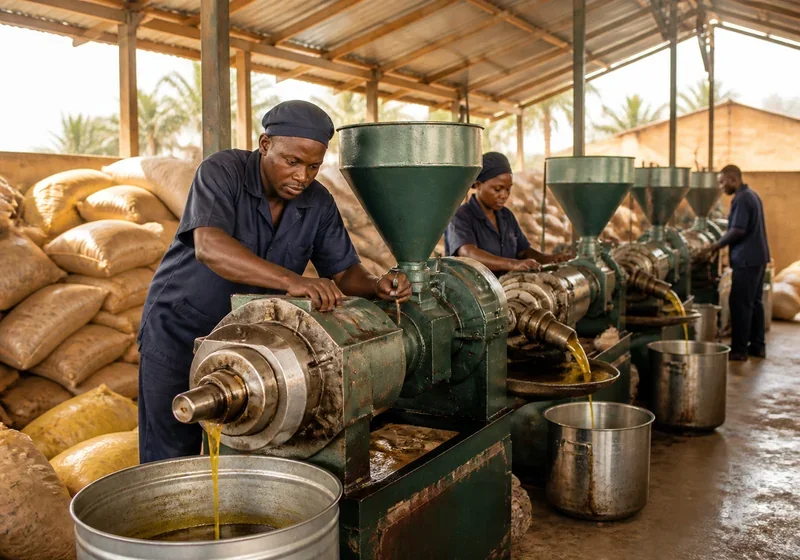
Senegal · Dakar
5 TPD Peanut Oil Mill
- Compact commercial mill design
- On-site installation and training
- Community market supply chain
Frequently Asked Questions
Investment depends on daily capacity, automation level and whether refining is included. A basic 3 TPD groundnut mill typically ranges from USD 35,000–60,000 (equipment only), while a 20 TPD plant with full preparation, pressing, filtration and batch refinery may range from USD 180,000–350,000. We provide itemized quotations based on your target capacity and market requirements.
Roasting is strongly recommended for most groundnut oil markets. It develops the characteristic nutty aroma consumers expect, reduces moisture for better extraction and typically increases oil yield by 2–5%. Cold-pressed peanut oil is possible for premium health-food segments but yields less oil and requires higher-grade raw material.
Good-quality shelled peanuts contain 40–50% oil. Practical extraction yield with screw pressing typically reaches 38–45% of kernel weight depending on roasting, moisture and press settings. A 10 TPD plant processing 22–25 tons of kernels per day can produce roughly 8–10 tons of crude peanut oil at design capacity.
Many local markets sell aromatic crude groundnut oil directly after filtration. Supermarkets, export buyers and food manufacturers usually require refined oil meeting acidity, color and peroxide standards. A batch refinery is a cost-effective upgrade for 5–50 TPD plants; larger operations may use semi-continuous or continuous refining systems.
Peanut shells can be sold as boiler fuel, biomass or garden mulch. Press cake (oil meal) is high in protein and widely used as cattle feed — a significant secondary revenue stream in agricultural regions. Proper cake drying and storage extend shelf life and market value.
Small mills (1–5 TPD) are often operational within 2–4 weeks after equipment arrival. Commercial plants (5–20 TPD) typically need 4–8 weeks including civil works and commissioning. Industrial projects above 20 TPD follow a structured schedule with engineering, fabrication, shipping and on-site installation — usually 3–6 months total depending on scope.
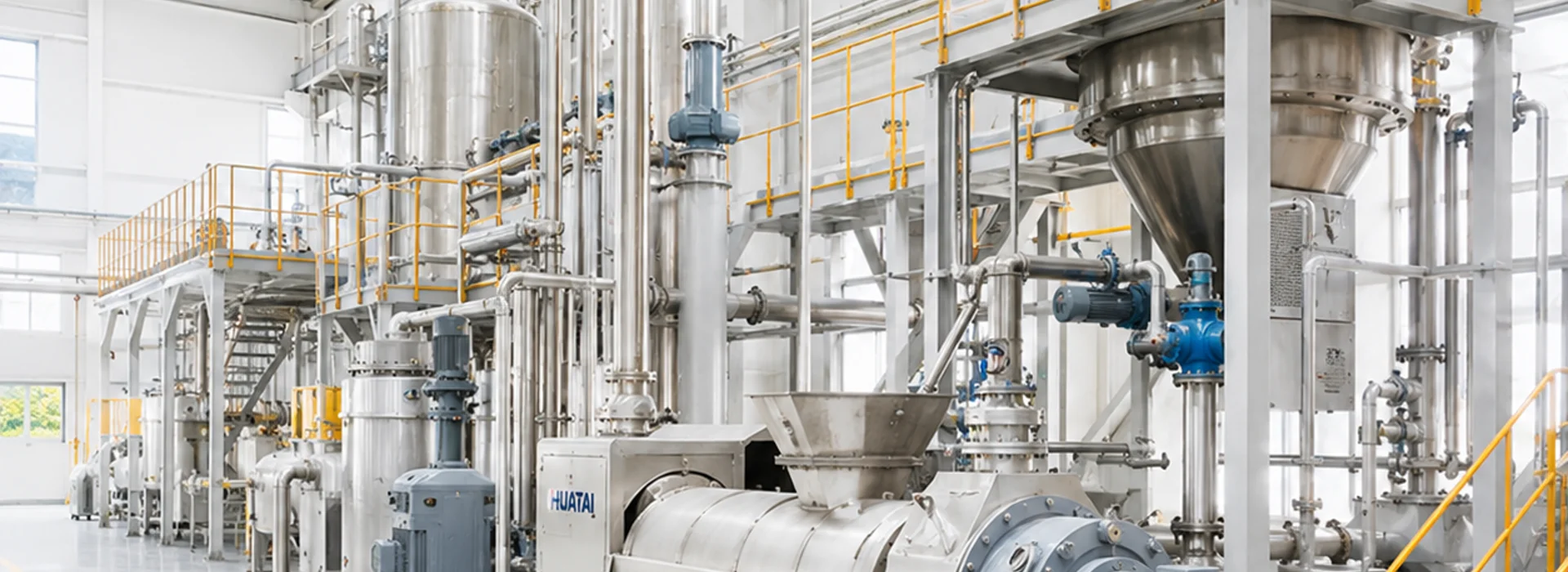
Ready to Build Your Peanut Oil Processing Plant Solution?
Share your daily capacity, raw material source and target market — our engineers will prepare a free plant proposal and layout design within 48 hours.