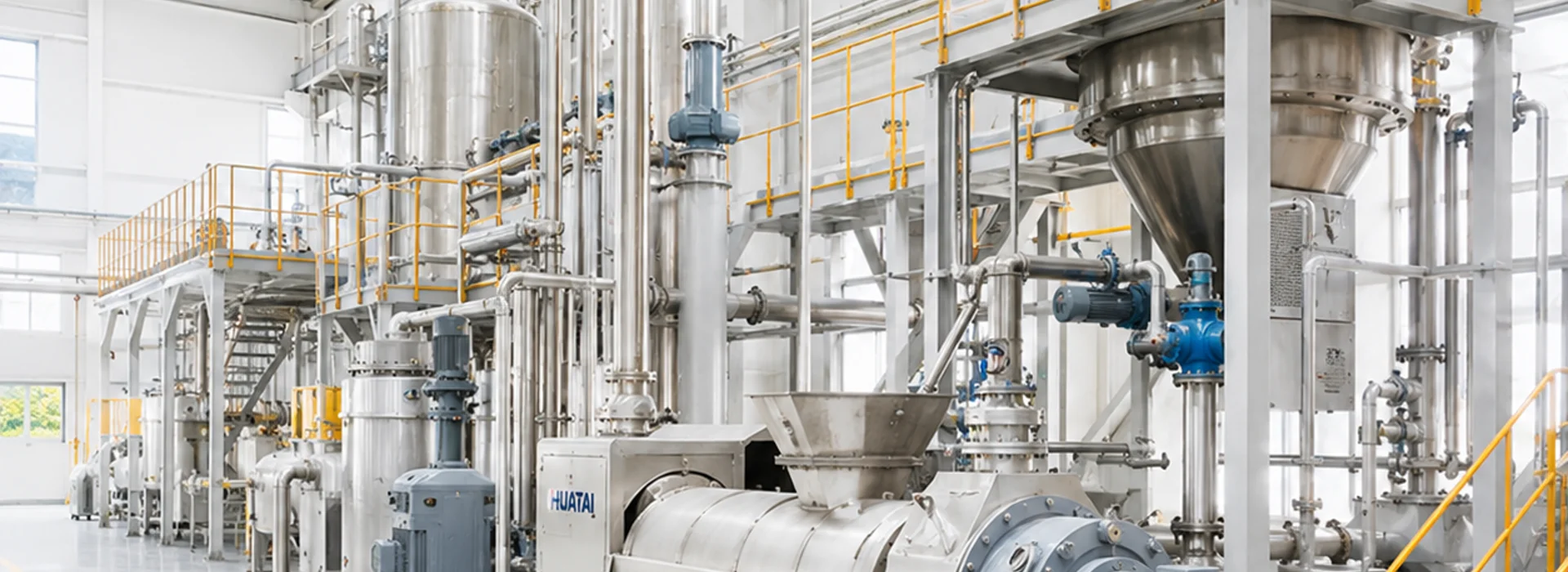
Feed, screening and discharge
Follow dark seeds with visible plant fragments from the hopper across the machine. Watch the material flow and the blower arrangement.
Efficient screening and grading for oilseed processing — size classification
and impurity separation to improve uniformity and optimize downstream operations.
Uniform seed size improves downstream processing consistency. Proper grading and screening help maintain stable production flow and enhance final product quality.
Uniform seed size improves downstream processing consistency and ensures even heat transfer during roasting and pressing.
Proper grading helps maintain stable production flow and reduces bottlenecks in continuous processing lines.
Well-classified materials reduce processing interruptions and protect dehullers, roasters and oil presses from uneven loads.
Screening removes oversized and undersized particles, delivering cleaner feedstock for oil extraction.
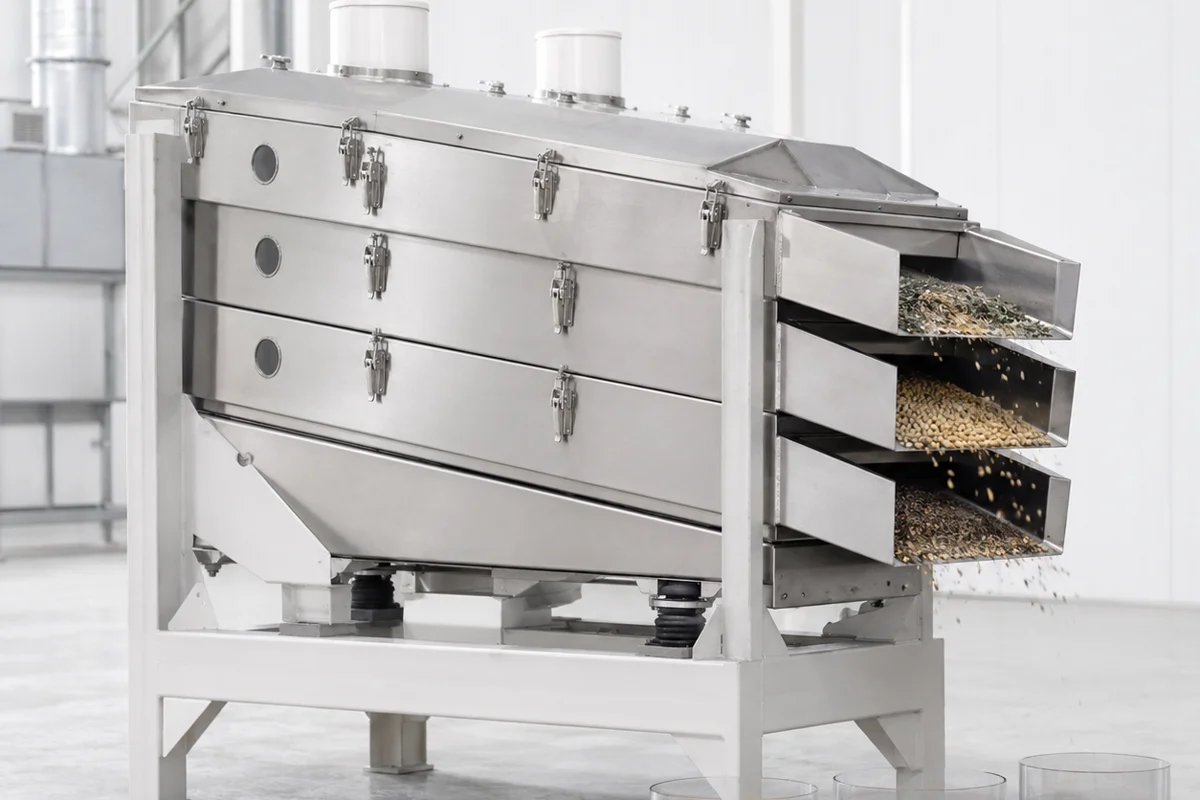
The vibrating screen uses vibration and multiple screen layers to separate materials according to size — delivering accurate classification for oilseed processing lines.
Four short demonstrations show the feed, screen, discharge and material samples. Use them alongside the cleaning and screen-selection guide below.
Follow dark seeds with visible plant fragments from the hopper across the machine. Watch the material flow and the blower arrangement.
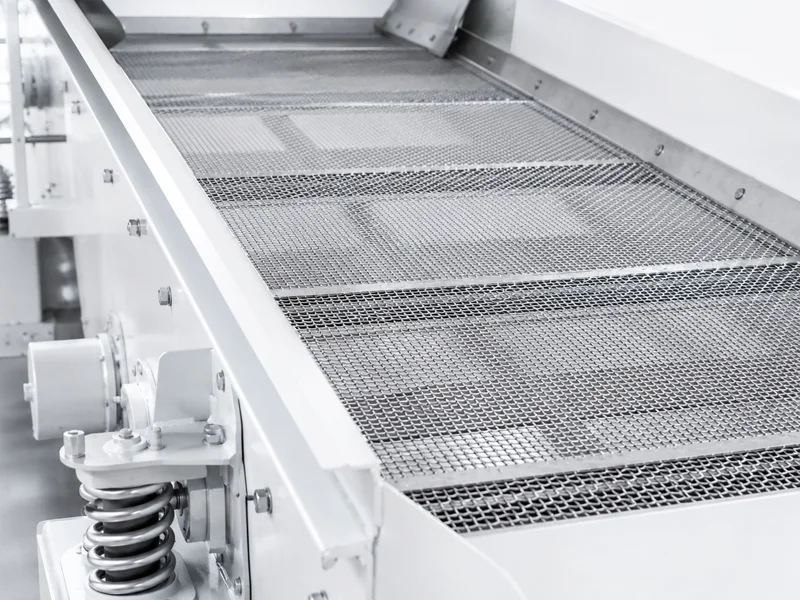
See the perforated screen, outlet streams and collected plant fragments. This shows where to inspect separated material during a trial.
Follow a mixed granular feed and examine the hand-held sample. Compare representative feed, product and reject samples when assessing your own seeds.
Watch pale small seeds at the screen and discharge, followed by a sample close-up. The correct mesh opening still needs to be matched to your seed dimensions.
These are operating demonstrations, not measured before-and-after cleaning tests. Seed species, model and removal percentage are not identified in the clips. Loose fine soil can be screened only when its size allows it to pass the selected mesh; light impurities need suitable airflow. Similar-size dense particles and soil stuck to seeds may require a different process.
Start with the difference between the seed and the impurity. Screening separates by size; air separation handles material that is more easily carried by airflow.
| Material mixed with the seeds | Separation route | What to confirm |
|---|---|---|
| Loose soil, sand and fine particles smaller than the seed | A suitable fine screen lets undersize particles pass while retaining the wanted seed. | The actual particle sizes must differ enough for the selected openings. |
| Stalk pieces, shells and other oversized particles | A coarse screen retains larger material while the wanted seed passes. | Oversized impurities can also be screened out; they do not have to be smaller than the seed. |
| Light dust, chaff and loose lightweight material | Air aspiration complements the screens on a blower-equipped configuration. | Airflow must suit the seed as well as the impurity. Confirm the blower configuration and check for seed loss. |
| Particles similar in size and air response to the seed | Screening and airflow may not provide the required separation. | Send a representative sample for assessment before selecting equipment. |
Please distinguish loose dirt mixed into a seed lot from dirt adhering to the seed surface. Do not assume a dry screening process will remove an adhering coating. A working video illustrates the process; it does not establish a removal percentage or guarantee the same result with another seed lot.
General process reference: FAO: grain cleaning. This explains separation principles, not a performance test of this machine.
One machine can be supplied with multiple interchangeable screen plates with different openings. Changing plates adapts the screening setup to another seed type. The number of seed varieties alone does not determine the number of plates: we also need seed dimensions, impurity sizes, the fitted screening decks and the required result. Do not assume that one seed type always needs exactly one plate.
With this information, we can assess the screen opening sizes and plate quantity to include in the quotation. For small batches or home use, also state your available space and power supply; suitability and the smallest available configuration must be confirmed rather than inferred from a demonstration.
This is a selection and trial checklist. Installation, screen changes and operating adjustments must follow the supplied machine instructions.
Engineered for accurate oilseed grading and reliable screening performance in industrial production environments.
Optimized screen design for effective size separation and impurity screening.
Available with different screening configurations for multi-fraction classification.
Designed for industrial production environments with consistent throughput.
Suitable for different seed sizes and processing requirements across oilseed types.
Simple and reliable mechanical design for easy routine inspection and upkeep.
Compare the existing model pages, then confirm availability, screen plates, power supply and throughput for your material in the quotation.
Suitable for grading and screening a wide range of oil-bearing seeds before further processing.
Separating peanuts by size before roasting and pressing.
Removing oversized and undersized materials for uniform extraction.
Preparing seeds for dehulling and pressing with consistent size.
Ensuring uniform feeding conditions for small-seed oil lines.
Improving screening consistency before conditioning and pressing.
Send the names of all seed types, photos of the actual impurities, your batch size and the required result. We will assess the machine and interchangeable screen configuration.