
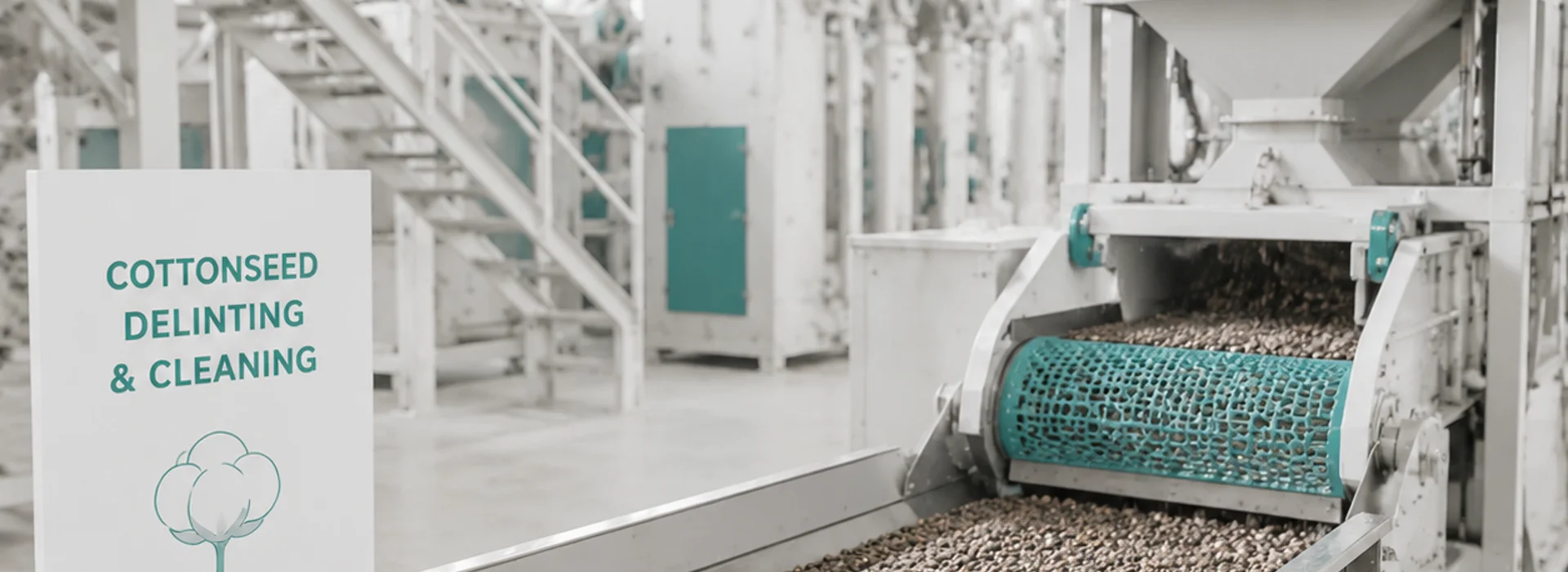
Complete Cottonseed Oil Processing Plant Solution
Tailored 🧊 oil processing solutions from small mills to industrial plants
Why Invest in Cottonseed Oil Processing Plant Solution?
Cottonseed oil is a major edible oil in cotton-growing regions — with strong regional demand, integrated ginning supply chains and high-value meal and hull by-products
Market Demand
Strong demand across China, India, the United States, Uzbekistan and West Africa. Cotton-growing regions benefit from local feedstock and established cooking oil distribution networks.
Oil Content Advantage
Delinted cottonseed contains roughly 15–20% oil. Lower yield per tonne than soybeans is offset by proximity to ginning operations and competitive seed pricing in major cotton belts.
Application Diversity
Refined cottonseed oil serves cooking oil brands, food manufacturers and industrial users. Crude oil also feeds soap, biodiesel and oleochemical markets where refining capacity allows.
Profit Potential
Cottonseed meal, hulls and linter generate additional revenue streams. Integrated plants co-located with gins often achieve faster payback through combined oil and feed ingredient sales.
Requires delinting before processing to remove short fibres that damage equipment. Low oil yield but valuable byproducts — meal and hulls support feed and fibre markets. Full refining needed (gossypol removal) for edible-grade oil safe for human consumption.
Cottonseed Oil Processing Plant Solution — Production Process
Five essential steps from raw cottonseed to refined edible oil — engineered for delinting, safe gossypol removal and by-product recovery
Recommended Equipment for Cottonseed Oil Processing Plant Solution
Integrated equipment from delinting and dehulling through pressing, filtration and refining — configured for your capacity and edible oil standards
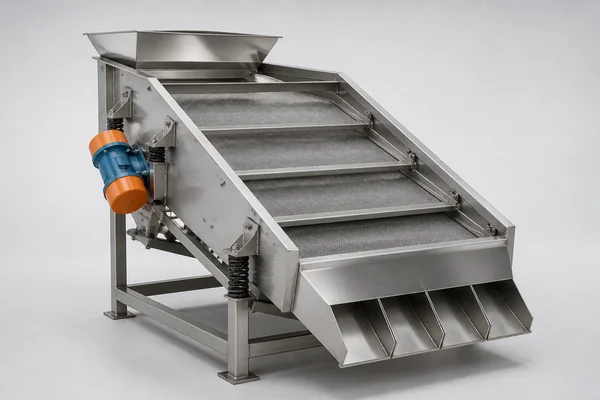
Seed Cleaning & Delinting
Vibrating screen, destoner and delinting unit remove impurities and short fibres — protecting downstream crushers and improving oil quality.
View Equipment →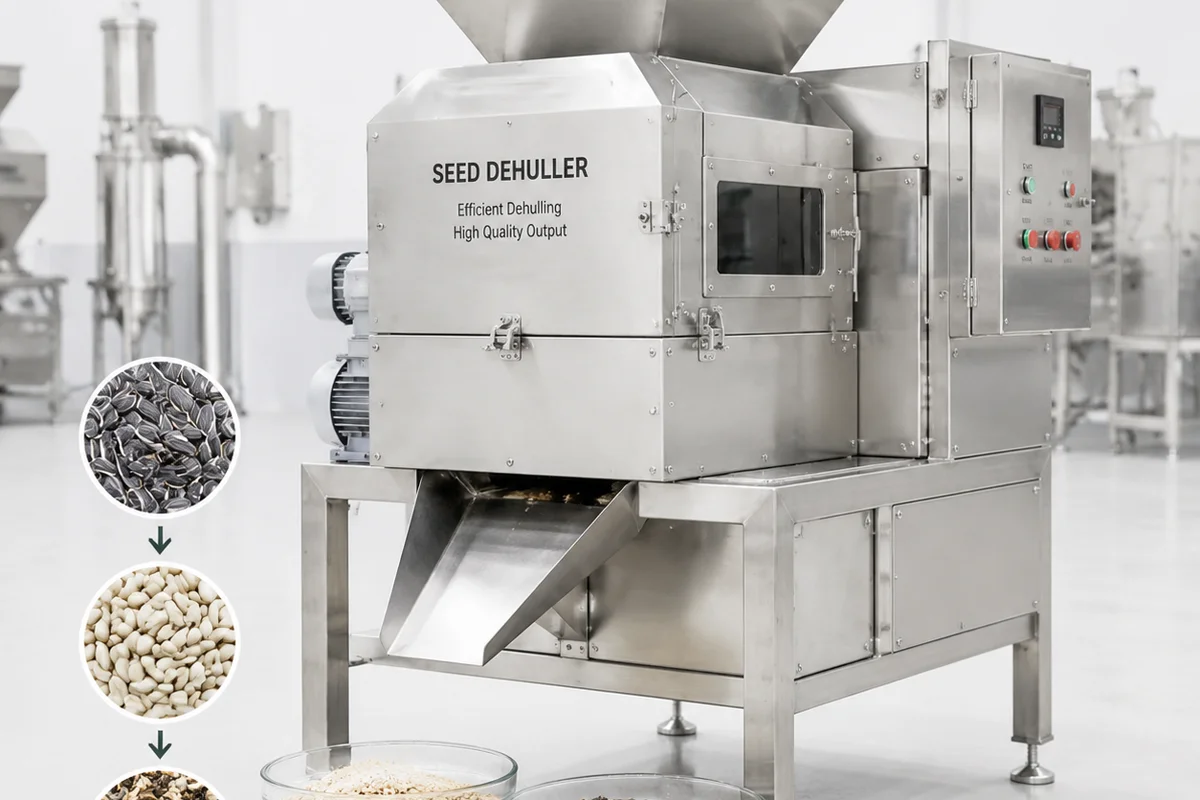
Seed Dehulling
Dehuller separates cottonseed hulls from kernels — raising press capacity and producing cleaner meal for animal feed markets.
View Equipment →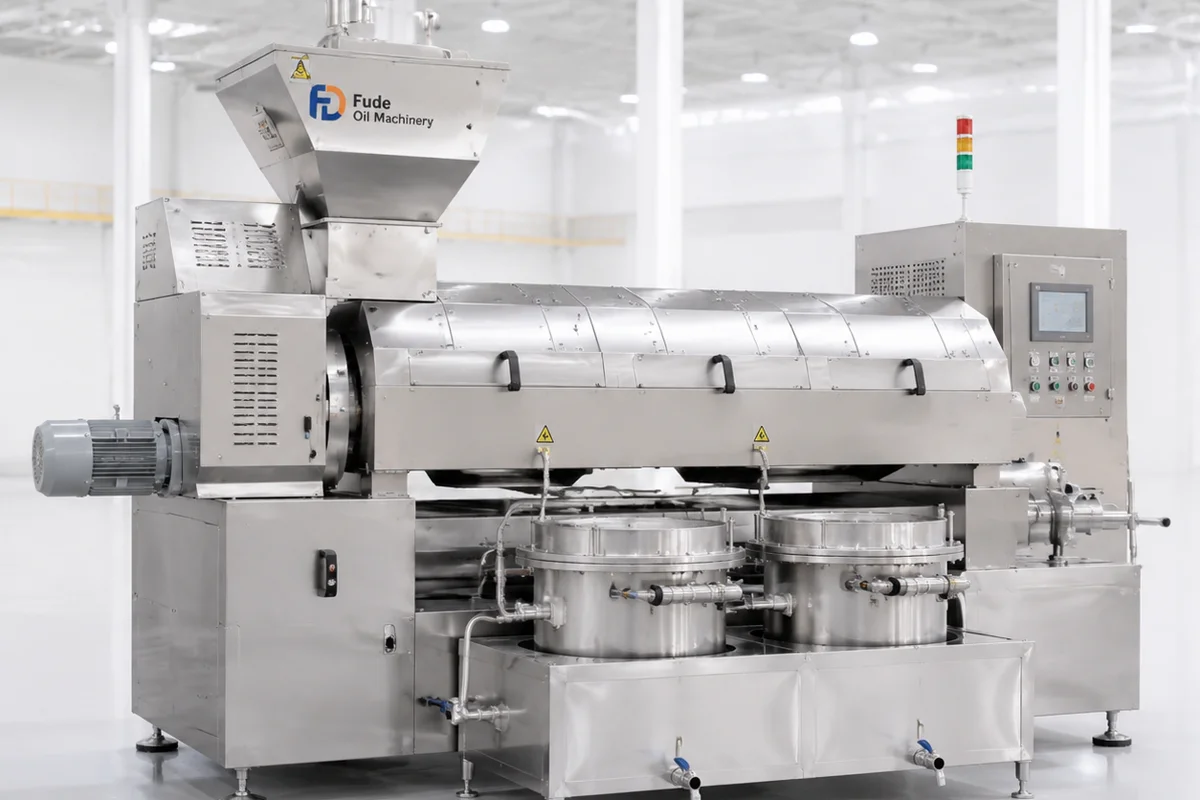
Screw Oil Press
Heavy-duty screw press with conditioning for cottonseed kernels — reliable crude oil output for small mills through mid-scale commercial plants.
View Equipment →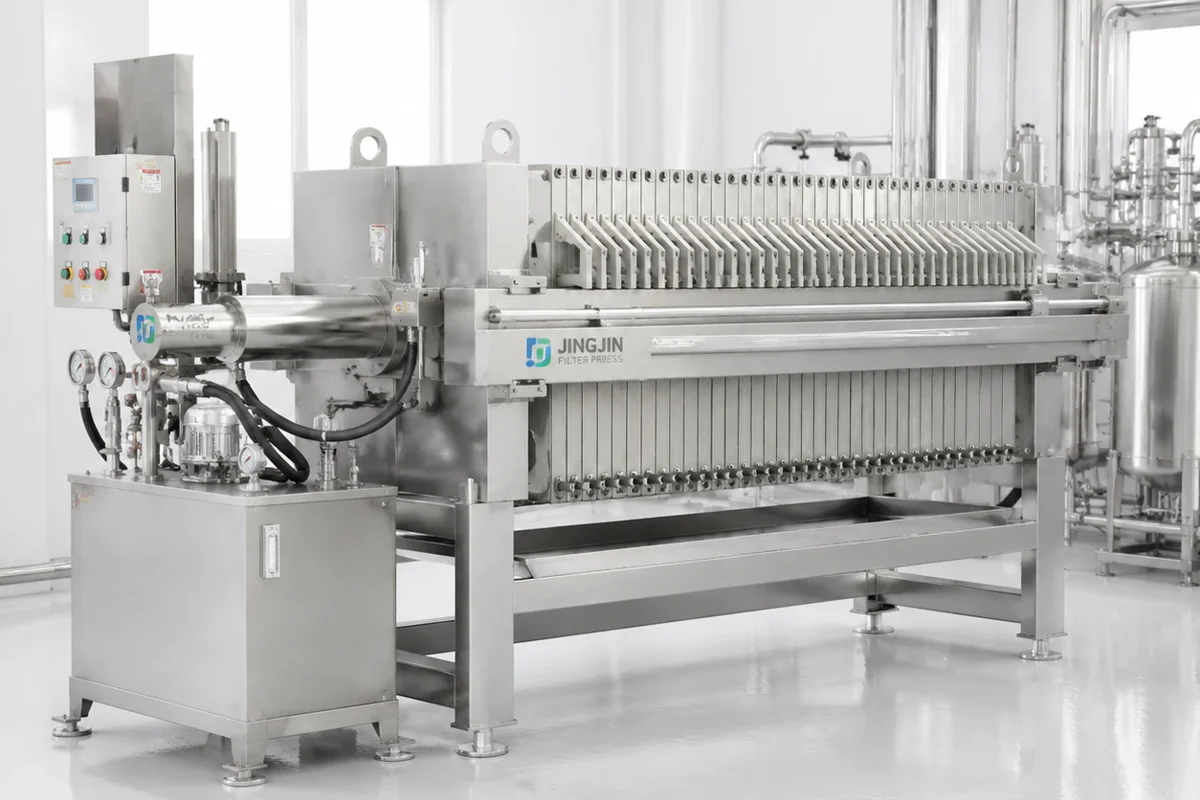
Oil Filter Press
Plate-and-frame filtration removes meal fines and suspended solids from crude cottonseed oil before storage or refinery intake.
View Equipment →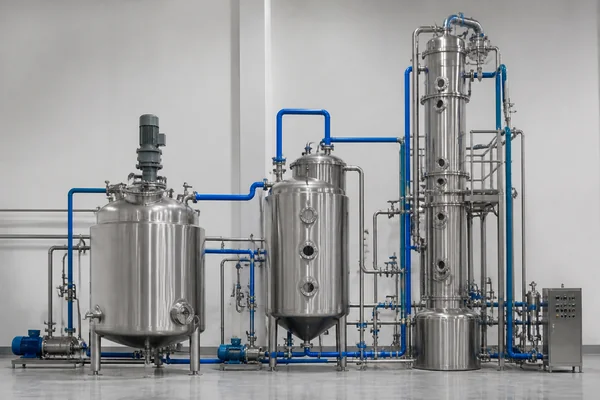
Oil Refinery Equipment
Batch or continuous refining with alkali neutralization and deodorization — essential gossypol removal for food-grade cottonseed oil.
View Equipment →Available Plant Capacities
Cottonseed oil plants from pilot mills to 100+ TPD refinery complexes — matched to your gin output and regional market scale
Small Mill
- Cleaner, delinter and single screw press
- Plate filter; batch refinery recommended
- Workshop: 120–350 m²
- ~5–25 tons cottonseed/day input
Commercial Plant
- Full prep: cleaning, delinting, dehulling
- Multi-press line with filtration and tanks
- Workshop: 450–1,200 m²
- Ideal for gin-adjacent operations
Mid-Scale Factory
- Automated conveying and meal handling
- Semi-continuous refinery with gossypol control
- Workshop: 1,200–2,800 m²
- Power: 220–500 kW typical
Large Processing Plant
- Large press battery or pre-press + extraction
- Continuous refinery and tank farm
- Workshop: 2,800–5,500 m²
- Regional cooking oil supply capability
Industrial Refinery Complex
- Full extraction + continuous refining line
- Meal drying, hull handling and utility block
- Site area: 10,000 m² and above
- National distributor and export supply
Typical Plant Layout Examples
Three reference layouts for cottonseed oil plants — customized to land plot, gin proximity and local building codes
Small Mill Layout
Capacity: 1–5 TPD
Area: 120–350 m² single hall — raw seed bay, cleaning/delinting, dehulling, press zone, filtration and crude oil storage.
Staff: 4–10 operators per shift. Compact layout suits gin-side startup investors.
Commercial Plant Layout
Capacity: 5–20 TPD
Area: 450–1,200 m² with separated prep, pressing, meal storage and refinery wing — plus cottonseed warehouse.
Staff: 12–28 workers across two shifts with QC lab for gossypol testing.
Industrial Factory Layout
Capacity: 20–100+ TPD
Area: 1,200–5,500 m²+ with prep building, press/extraction hall, continuous refinery, meal drying, tank farm and administration.
Staff: 35–90+ personnel — structured for continuous production and export documentation.
We provide 2D layout drawings, equipment foundation plans and material flow diagrams. Request cottonseed plant layout design →
Global Cottonseed Oil Processing Plant Projects
Cottonseed oil plants delivered across China, India, Uzbekistan, West Africa and the Americas — from gin-adjacent mills to industrial refinery complexes
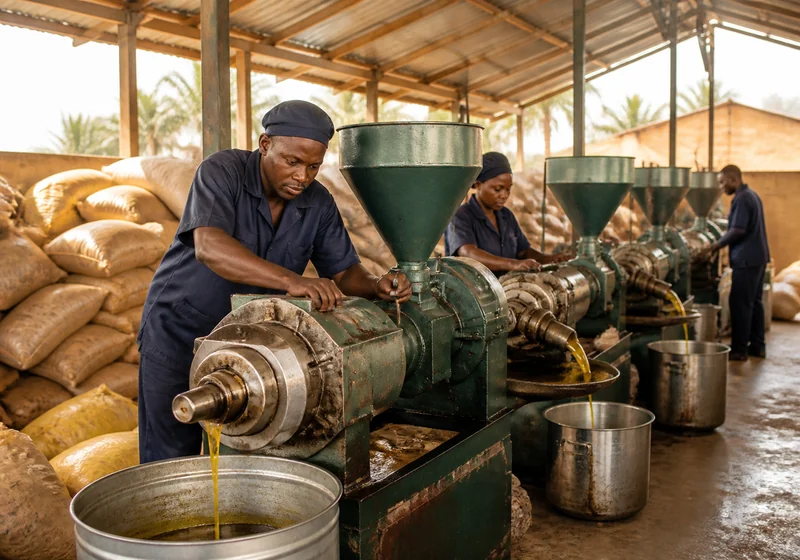
Uzbekistan · Fergana
15 TPD Cottonseed Oil Plant
- Cleaning, delinting and dehulling line
- Screw press with plate filtration
- Batch refinery for edible oil grade
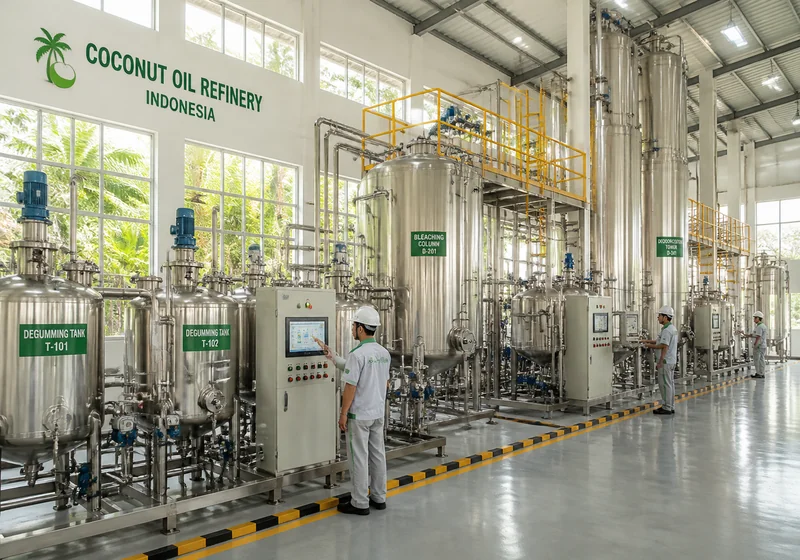
India · Gujarat
30 TPD Cottonseed Oil Plant
- Gin-adjacent commercial prep line
- Multi-press with semi-continuous refinery
- Meal sold to cattle feed compounders
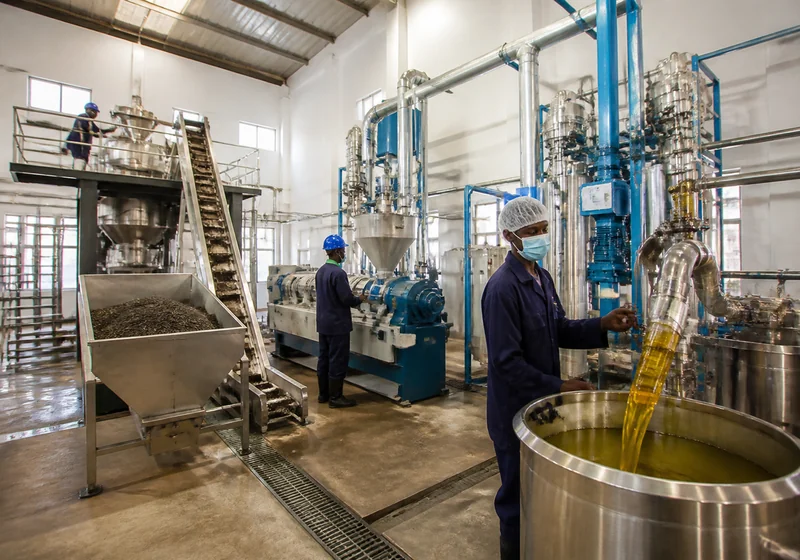
China · Xinjiang
50 TPD Refinery Complex
- Continuous degumming and deodorizing
- Gossypol-controlled refining process
- Regional branded cooking oil supply
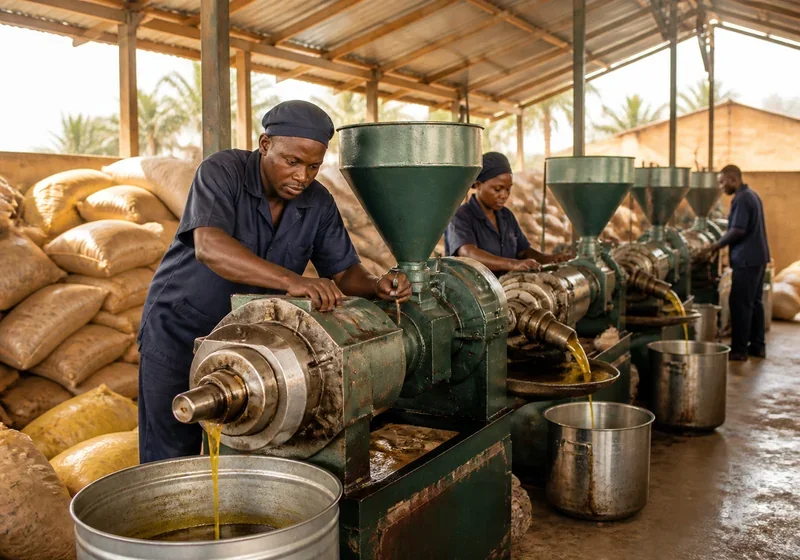
USA · Texas
20 TPD Cottonseed Oil Mill
- Integrated with cotton gin operation
- On-site installation and operator training
- Dual revenue: refined oil and high-protein meal
Frequently Asked Questions
Cotton linter fibres wrap around kernels and clog screens, conveyors and press worms. Delinting before dehulling and pressing protects equipment, improves oil clarity and reduces maintenance downtime. Most commercial plants include a dedicated delinting step immediately after primary cleaning.
Gossypol is a natural pigment and toxin present in cottonseed. Crude cottonseed oil must undergo alkali refining and deodorization to reduce gossypol to safe levels for edible use. Refining is not optional for food-grade oil — our refinery lines are configured specifically for gossypol neutralization and quality compliance.
Delinted cottonseed typically contains 15–20% oil depending on variety and moisture. Screw pressing recovers roughly 12–16% oil from seed weight. Solvent extraction lines above 50 TPD can achieve higher recovery when integrated with pre-pressing. Lower oil yield is offset by meal, hull and linter by-product value.
Investment depends on daily capacity, delinting scope and refining requirements. A 10 TPD commercial plant with prep, pressing, filtration and batch refinery typically ranges from USD 130,000–240,000 (equipment only). A 30 TPD plant with semi-continuous refinery may range from USD 350,000–650,000. Share your capacity and country for a detailed quotation within 48 hours.
Yes. Defatted cottonseed meal is widely used in cattle and aquaculture feed — especially in cotton-growing regions with established feed compounders. Hulls serve as roughage or fuel. Proper drying, cooling and bagging preserve quality. Many operators report by-product sales covering 35–55% of operating costs when co-located near feed markets.
Yes. We supply engineering design, equipment manufacturing, shipping, installation supervision, commissioning and operator training. Turnkey scope can include civil works guidance, utility planning and refinery process optimization for gossypol removal. Share your capacity, country and raw material source for a detailed proposal.
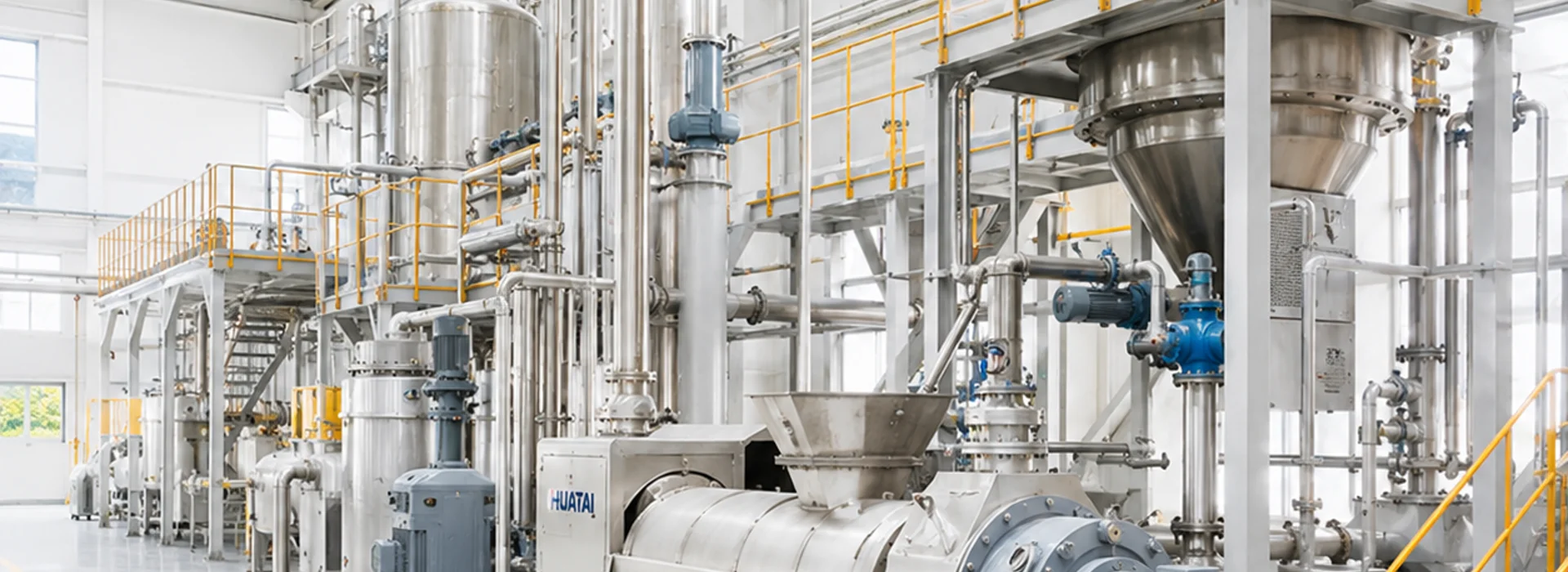
Ready to Build Your Cottonseed Oil Processing Plant Solution?
Share your daily capacity, cottonseed supply source and target market — our engineers will prepare a free plant proposal and layout design within 48 hours.