
Large-Scale
Oil Refinery Project
Complete industrial refining solutions from degumming to winterization — 100 to 1000+ TPD capacity
What Is a 100+ TPD Refinery Project?
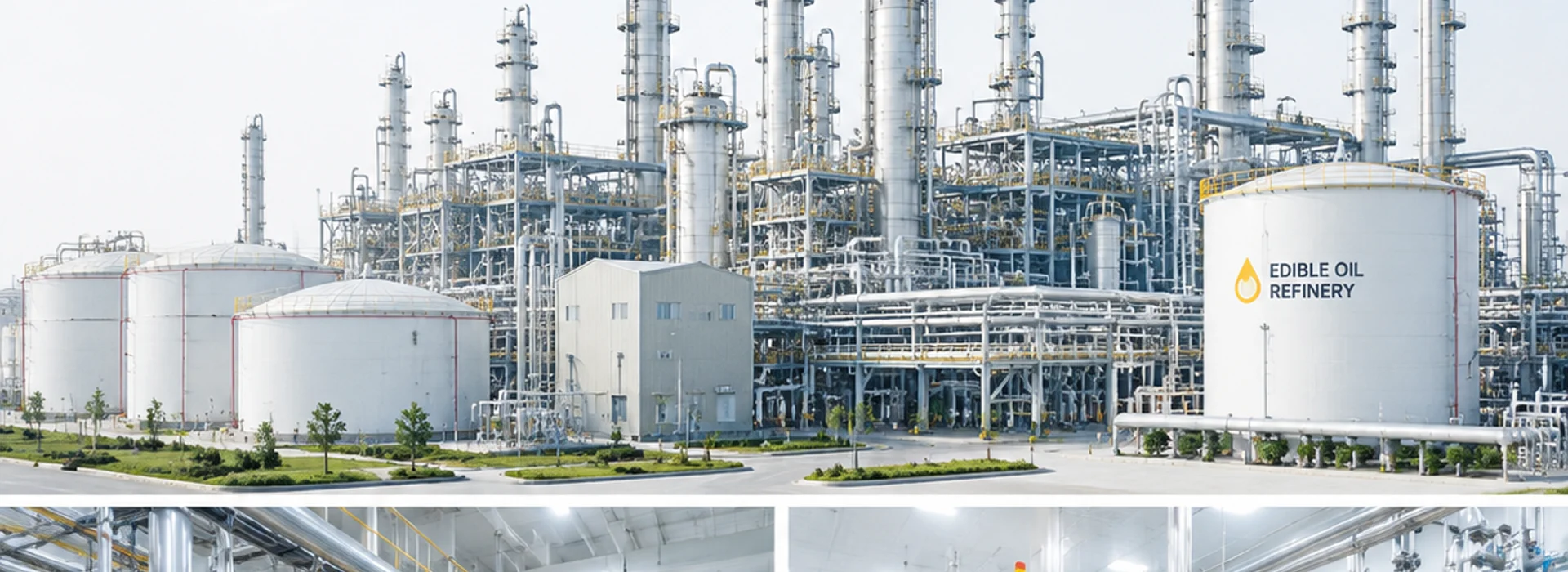
At 100+ TPD capacity, you are no longer building a simple oil mill — you are commissioning a full industrial edible oil refinery with continuous degumming, neutralization, bleaching, deodorization and optional winterization for premium food-grade output
Full Industrial Refining System
Integrated degumming, FFA neutralization, bleaching earth treatment, high-vacuum deodorization and winterization — engineered as a continuous refinery line, not a standalone press shop.
Continuous Refining Technology
Lower cost per ton, stable product quality and reduced energy consumption versus batch refining — designed for 24/7 operation with PLC/DCS process control.
Export & Food Industry Compliance
Refined oil meeting international acidity, peroxide, color and clarity standards — suitable for supermarket brands, food manufacturers and export markets worldwide.
Large edible oil producers, government food security programs, multinational food corporations and export-oriented manufacturers seeking 100–1000+ TPD refining capacity with turnkey engineering support.
Complete Refinery System Configuration
Every section of a modern edible oil refinery — from crude oil receiving to finished oil storage, utilities and centralized control
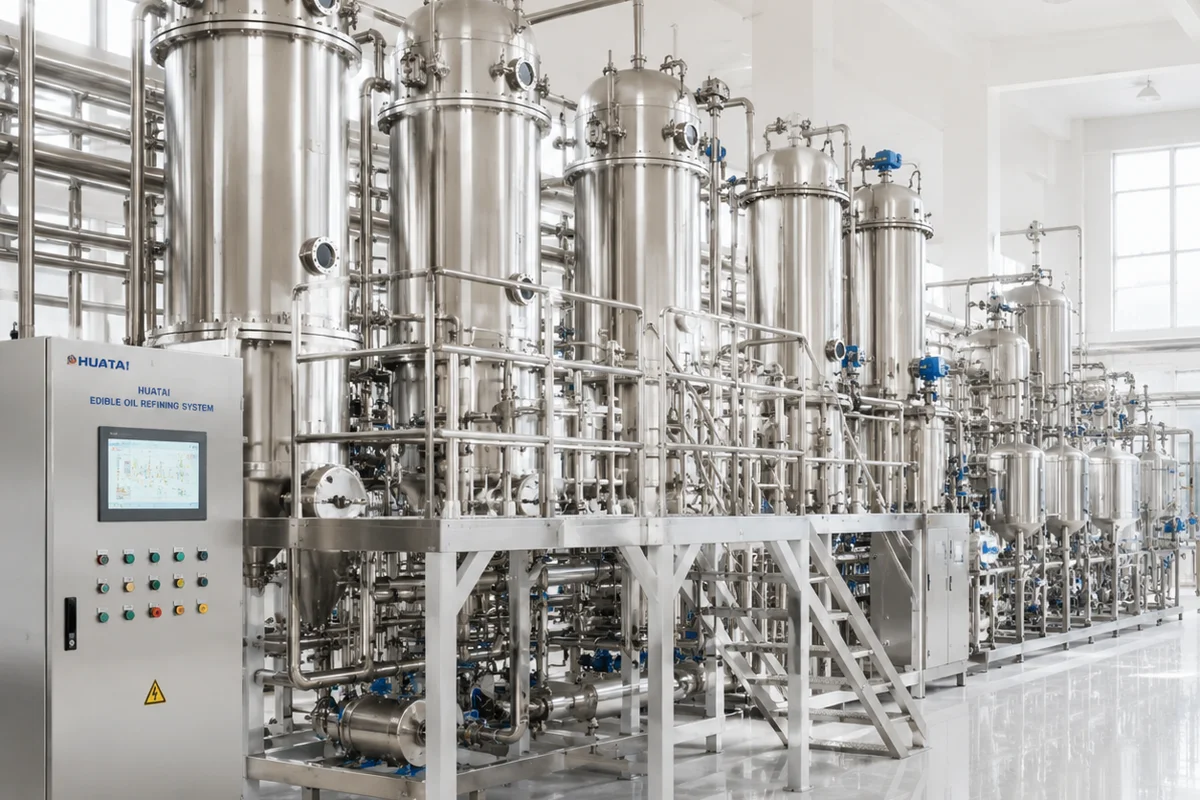
Degumming System
Phospholipid and gum removal from crude oil — acid or enzymatic degumming with continuous reactors and separation for stable downstream refining.
View Equipment →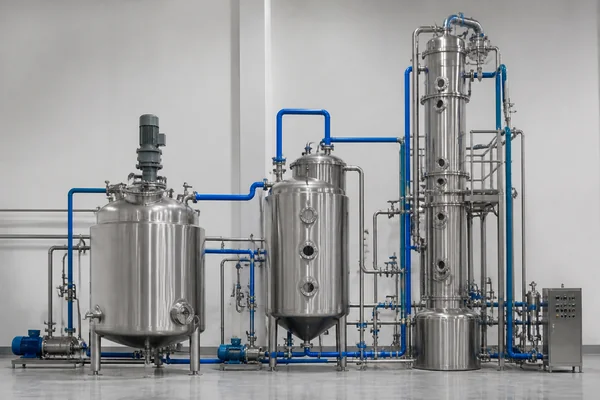
Neutralization System
Free fatty acid reduction via alkali neutralization — soapstock separation, washing and drying for food-grade refined oil preparation.
View Equipment →
Bleaching System
Bleaching earth adsorption removes pigments, trace metals and oxidation products — continuous bleaching filters with earth dosing and spent earth handling.
View Equipment →
Deodorization System
High-vacuum deodorizing towers remove odor, volatile compounds and residual FFA — producing neutral-tasting premium refined edible oil.
View Equipment →
Winterization System
Optional dewaxing for sunflower, cottonseed and rice bran oil — crystallization, filtration and cooling for clear oil at low temperatures.
View Equipment →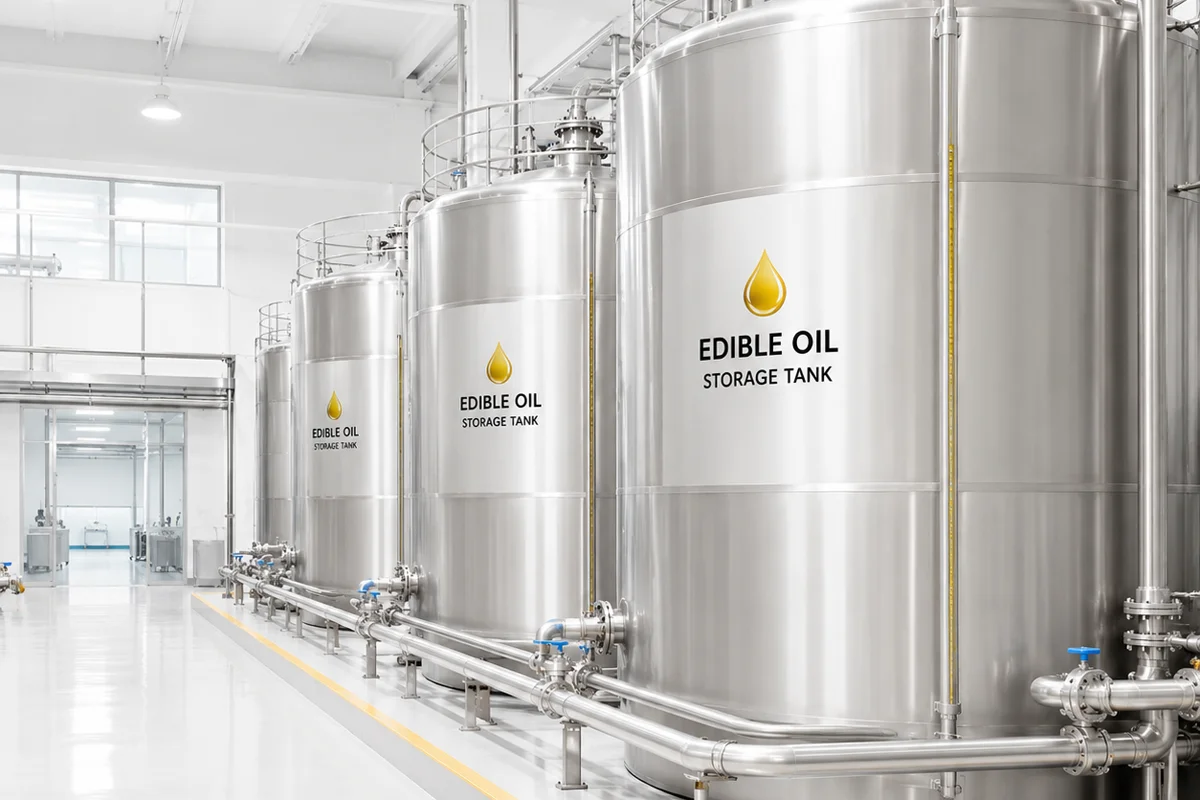
Oil Storage & Transfer
Crude and refined oil tank farms, transfer pumps and pipeline manifolds — sized for daily refinery throughput and bulk dispatch logistics.
View Equipment →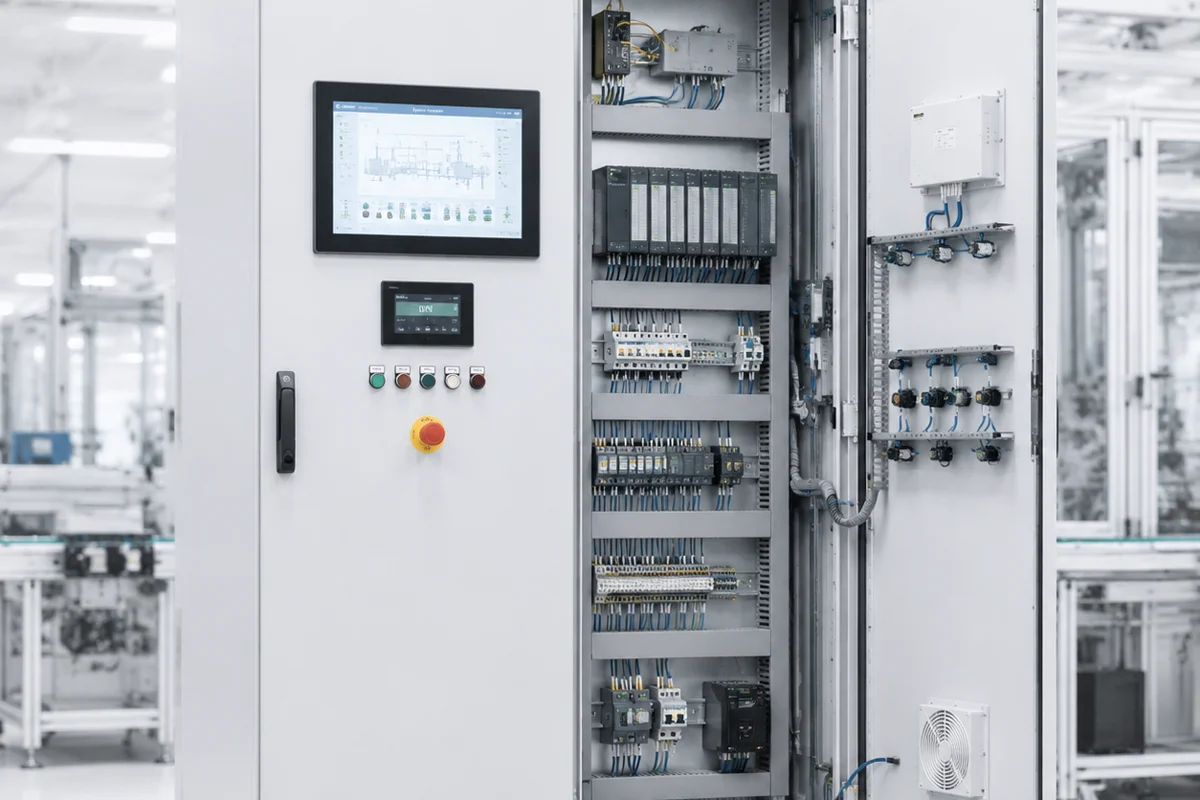
PLC & DCS Control
Centralized control room with PLC automation and optional SCADA — temperature, vacuum, flow and alarm monitoring across all refining sections.
View Equipment →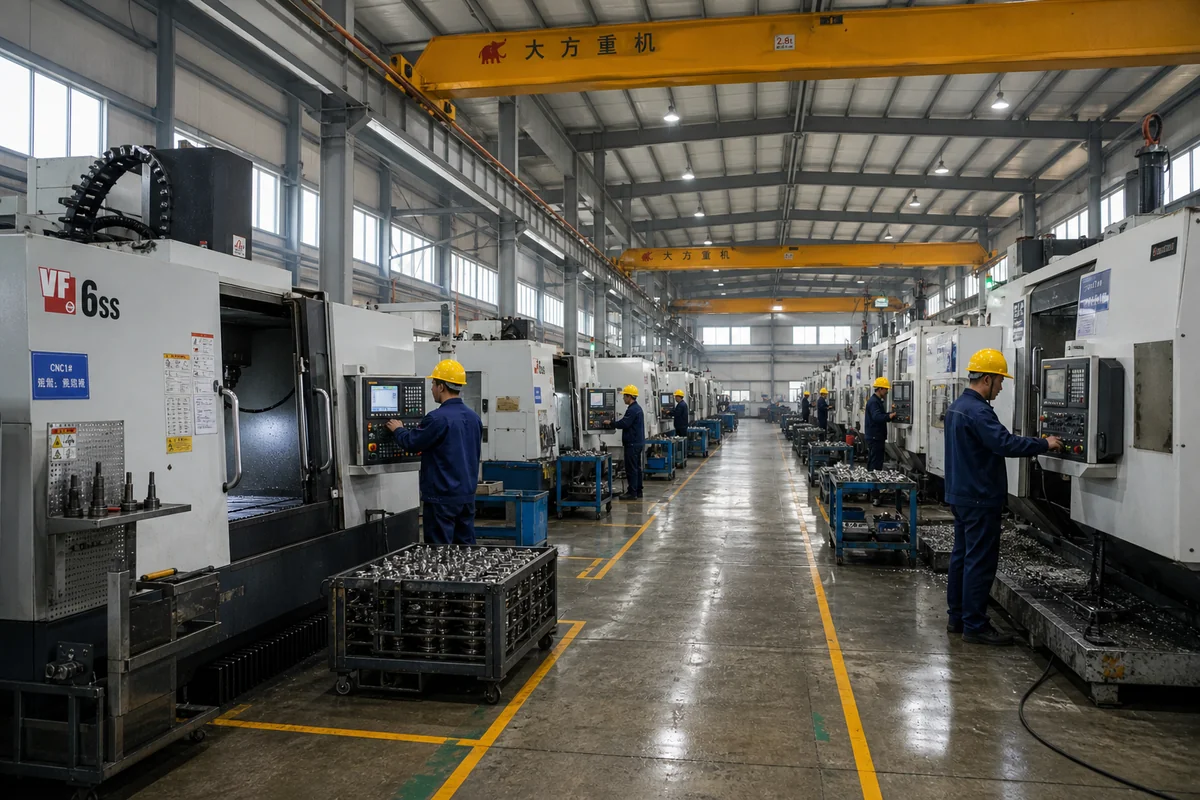
Utility Systems
Steam boiler plant, cooling water circulation, compressed air, electrical substation and wastewater treatment — engineered to match refinery heat and utility demand.
Complete Refining Process — From Crude Oil to Premium Refined Oil
Nine integrated refining steps in a continuous edible oil refinery — engineered for consistent food-grade quality at industrial scale
Available Refinery Capacities
From regional 100 TPD refineries to 1000 TPD industrial complexes — each capacity engineered for specific market scope and investment scale
100 TPD Refinery
- Scope: Regional market supply
- Land: ~4,000–6,000 m² site
- Power: ~400–500 kW
- Steam: 3–4 t/h boiler
- Ideal for: First industrial refinery investment
200 TPD Refinery
- Scope: National market distribution
- Land: ~6,000–10,000 m² site
- Power: ~700–900 kW
- Steam: 5–6 t/h boiler
- Ideal for: Established edible oil brands
300 TPD Refinery
- Scope: Export-oriented output
- Land: ~10,000–15,000 m² site
- Power: ~1.0–1.2 MW
- Steam: 8–10 t/h boiler
- Ideal for: Multi-market supply chains
500 TPD Refinery
- Scope: Large industrial complex
- Land: ~15,000–25,000 m² site
- Power: ~1.5–2.0 MW substation
- Steam: 12–15 t/h utility block
- Ideal for: National food corporations
1000 TPD Refinery
- Scope: Government & multinational scale
- Land: 30,000+ m² integrated site
- Power: Dedicated 3+ MW substation
- Steam: 20+ t/h central utilities
- Ideal for: Strategic food security projects
Plant Layout & Infrastructure Requirements
Land planning, civil works, utility connections and environmental compliance for large-scale edible oil refinery projects
Land Area & Building Requirements
100 TPD: 2,500–3,500 m² refinery hall + 4,000–6,000 m² total site with crude/refined tank farm.
200–300 TPD: 4,000–6,000 m² processing building + tank farm, control room and loading bay.
500–1000 TPD: Multi-building complex with dedicated utility block, warehouse and administration — layouts include expansion zones for future capacity.
Utility Connections
Steam boiler (3–20+ t/h depending on capacity), cooling water tower, compressed air, electrical substation (400 kW–3+ MW), fire water and process water treatment. Deodorization requires reliable vacuum systems and thermal oil or steam heating — all specified in utility load tables with civil interface drawings.
Environmental Compliance
Soapstock and spent bleaching earth handling, wastewater pre-treatment, odor control from deodorizer stacks, noise zoning and emissions monitoring — designed to support local EIA approval and food industry environmental audits.
Future Expansion Planning
Layouts reserve space for additional deodorizer trains, tank capacity and packaging lines — protecting your investment when upgrading from 100 TPD to 200+ TPD without full site relocation.
We deliver P&ID diagrams, plant layout drawings and civil construction guidance. Request refinery layout design →
Quality Standards & Certifications
International refining standards, edible oil quality parameters and equipment certification for export-grade refinery projects
Acid value, peroxide value, color (Lovibond), moisture, impurities and soap content controlled within Codex Alimentarius and buyer specifications — continuous process monitoring via laboratory and inline instruments.
Refinery equipment manufactured under ISO9001 quality management with CE marking and SGS third-party inspection available for international EPC and government tender projects.
Process design aligned with established edible oil refining practice — HACCP-ready layouts, food-grade stainless contact surfaces and traceability documentation for supermarket and export buyers.
Performance test runs, oil sample analysis, operating manuals and QC procedures provided at handover — supporting local food authority registration and buyer quality audits.
Customer Refinery Project Examples
Large-scale edible oil refineries delivered across Africa, Asia, South America and the Middle East — soybean, sunflower, palm and rapeseed refining at 100–500 TPD
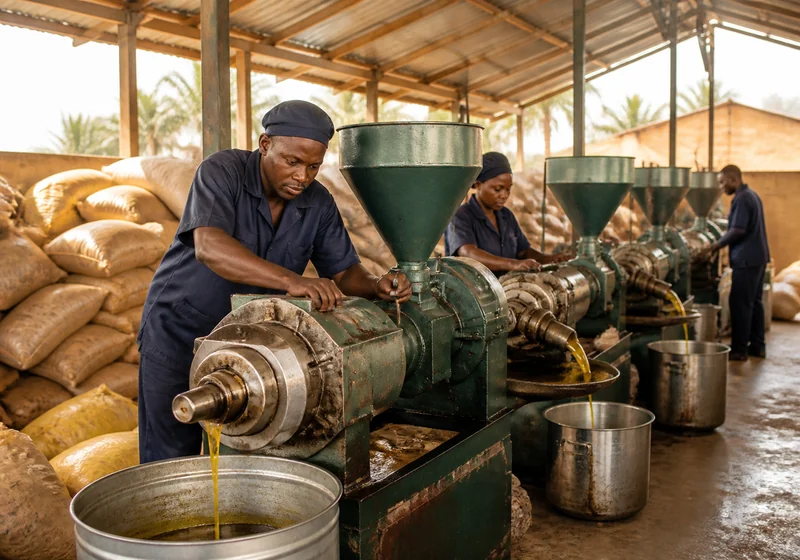
Nigeria · Lagos
150 TPD Soybean Refinery
- Continuous degumming & deodorizing
- Turnkey refinery + tank farm
- National food supply program
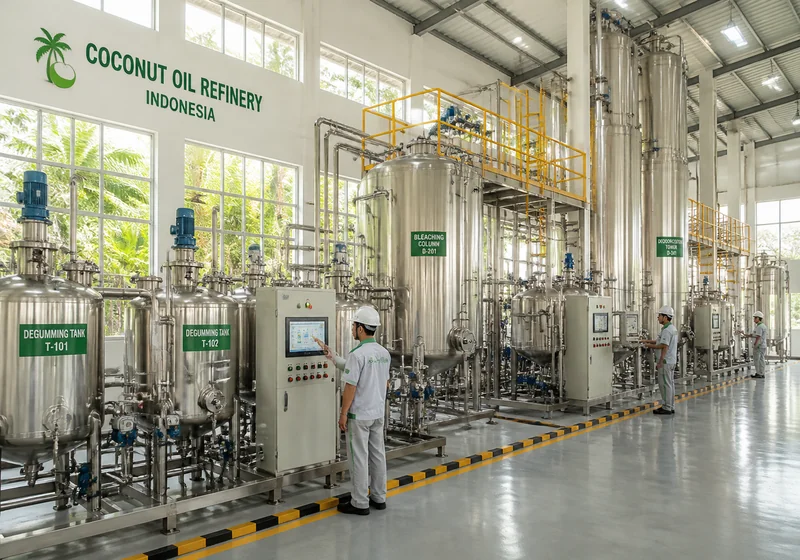
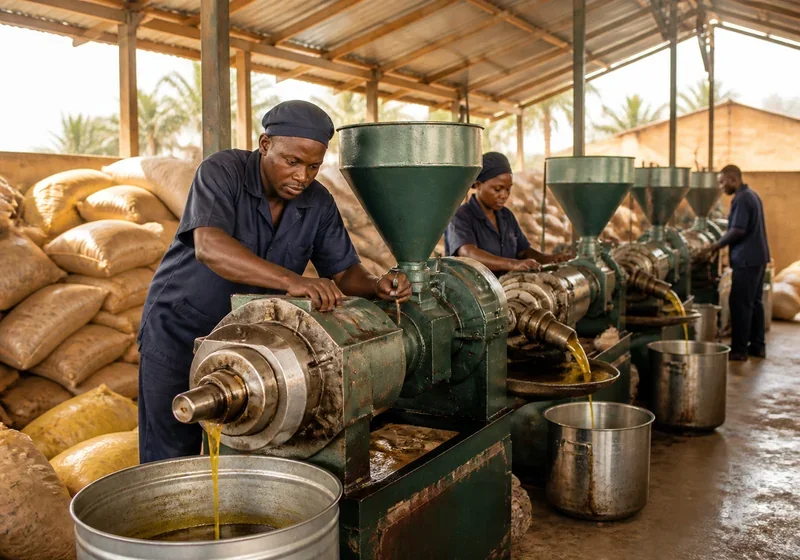
Indonesia · Sumatra
200 TPD Palm Oil Refinery
- Full physical refining line
- PLC central control room
- Export-oriented production
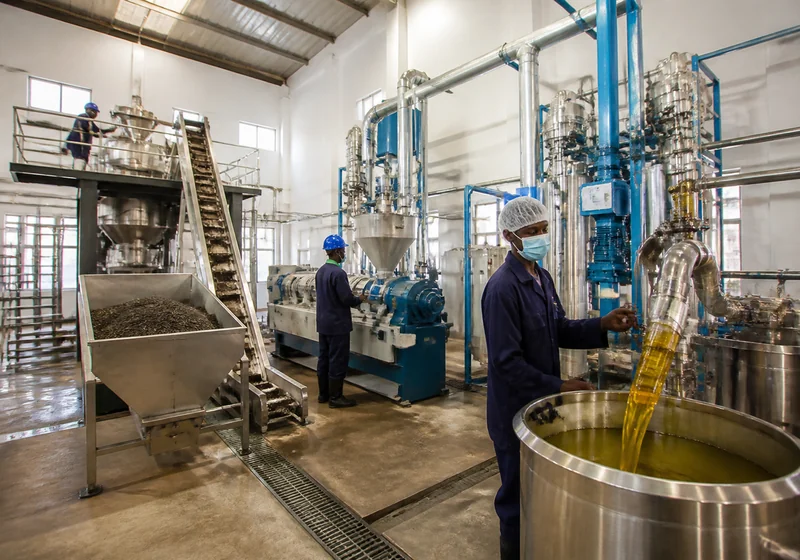
Brazil · Paraná
300 TPD Soybean Refinery
- Multi-section continuous plant
- Utility block integration
- Regional industrial supply
UAE · Dubai
120 TPD Sunflower Refinery
- Winterization module included
- SCADA production monitoring
- Middle East distribution
Frequently Asked Questions About Large-Scale Refineries
A complete 100 TPD continuous refinery (degumming, neutralization, bleaching, deodorization, storage, utilities and PLC control) typically ranges from USD 1.2–2.5 million for equipment depending on oil type, automation level and utility integration. Civil construction, land, boiler plant and installation are additional. We provide itemized quotations for feasibility studies and investment analysis.
Batch refining processes oil in discrete tanks — suitable for small capacity and multiple oil types. Continuous refining runs 24/7 through linked reactors and towers — essential at 100+ TPD for lower cost per ton, stable quality and reduced labor. All refinery projects at this scale use continuous technology.
A 200 TPD refinery typically requires 4,000–6,000 m² of processing building plus 6,000–10,000 m² total site including crude and refined oil tank farms, utility block (steam boiler, cooling tower, substation), control room, loading bay and fire access roads. We provide detailed layout drawings based on your land plot dimensions.
Essential utilities include steam boiler (for neutralization, drying and deodorization heat), cooling water system, electrical power (400 kW to 3+ MW depending on capacity), compressed air, process water treatment, vacuum systems for deodorizers and wastewater pre-treatment. Utility load tables are included in our engineering proposal.
Yes. We supply complete refinery equipment with process engineering, P&ID and layout design, installation supervision, commissioning, operator training and long-term technical support. Turnkey scope can include utility specification and project management for plants from 100 to 1000+ TPD. Contact us with oil type, capacity, country and budget range for a refinery proposal.
Winterization (dewaxing) is typically required for sunflower oil, cottonseed oil, rice bran oil and some corn oils to prevent cloudiness at low temperatures. Soybean, palm and rapeseed refineries often omit winterization unless targeting cold-climate retail markets. We configure the refinery line based on your target oil type and market requirements.
ROI depends on crude oil cost, refined oil selling price, capacity utilization and local market demand. Well-located 200 TPD refineries with stable crude supply often achieve payback in 3–5 years. We provide investment analysis support including capacity, utility cost and revenue projections when you submit a project inquiry.
Ready to Build Your Industrial Refinery?
Tell us your oil type, refining capacity, country and automation requirements — our refinery engineering team will prepare a free plant proposal and process flow diagram.