
Overview
Edible oil is sold in two broad families, and the line between them is drawn by how much processing the oil receives after it leaves the press. Cold-pressed oil is mechanically pressed at low temperature and then only filtered, so it keeps the natural flavour, colour and aroma of the seed. Refined oil is taken further through a chemical and physical refining line until it becomes neutral, light and shelf-stable. Both are legitimate products; neither is simply "better". The right choice depends on the seed, the target market and the way the finished oil will be sold.
For an exporter or processor planning a line, this is one of the first decisions you make, because it shapes your equipment list, your yield, your shelf life and your positioning. It also shapes the price you can ask: a neutral refined oil competes on cost and consistency, while a distinctive cold-pressed oil competes on origin, taste and story. This guide compares the two honestly so you can match the process to the product you actually want to sell, rather than choosing a process first and then hunting for a market that fits it.
Press + filter only. Natural taste, colour and aroma. Premium / specialty positioning.
Full DBDW refining. Neutral, light, stable. The commodity cooking-oil standard.
Water-degummed or partly refined "naturally refined" oils sit between the two.
Cold-pressed oil
Cold-pressed oil — also called unrefined or virgin oil — is produced by mechanically pressing the seed at low temperature, typically kept below about 40–50°C, and then only filtering the result. There is no degumming, neutralizing, bleaching or deodorizing step. Because the oil is never heat-stripped, it retains the seed's natural flavour, aroma and colour, and it holds onto more of the minor constituents such as tocopherols (vitamin E), phytosterols and polyphenols.
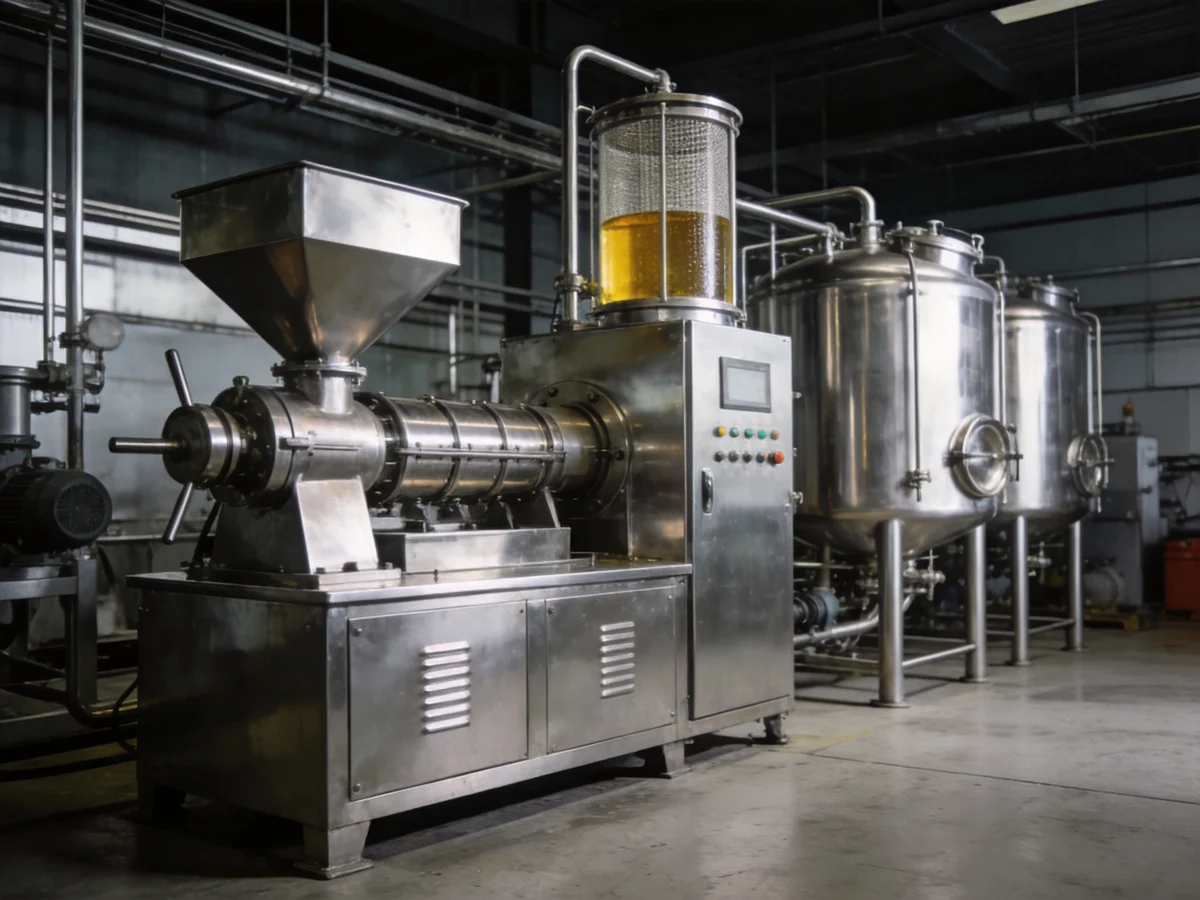
That gentleness is also the trade-off. Pressing without heat or solvent leaves more oil behind in the cake, so the yield is lower. The oil carries the seed's natural free fatty acids (FFA), which means it can taste stronger and turn rancid sooner. It usually has a lower smoke point, a shorter shelf life, more sediment, and a stronger, more variable taste and colour than the refined version of the same seed. None of these are defects — they are simply the character of an unrefined product, and many buyers pay specifically for that character.
Cold-pressed oil fits a premium, natural, clean-label position: cooking oils sold on origin and flavour, finishing and salad oils, and seed oils where the natural taste is part of the appeal. Because the process is gentle and the equipment relatively simple, it also suits smaller batches and traceable, single-origin lots — useful when the story behind the oil is part of what you are selling. If you want to understand the pressing step itself in more depth, see how a screw oil press works and cold press vs hot press.
Refined oil
Refined oil starts as crude (pressed or solvent-extracted) oil and is then taken through a refining line, commonly summarised as DBDW: Degumming → Neutralizing → Bleaching → Deodorizing, sometimes with winterizing added for oils that would otherwise cloud when cold. Each step removes a specific group of unwanted compounds — gums and phospholipids, free fatty acids, colour pigments, and the volatile compounds that carry odour and taste.
The result is the oil most consumers recognise as "cooking oil": neutral in taste, light in colour, with a high smoke point and a long, stable shelf life. That stability and blandness is exactly why refined oil is the commodity standard for frying, baking and general cooking, and why it ships and stores well across long supply chains.
The honest trade-off is that refining removes flavour and some of the minor nutrients along with the impurities, and it adds processing cost and a small oil loss at each stage. You are paying — in equipment, energy and yield — to make the oil neutral and durable. That investment is justified when you are selling at scale into channels that demand consistency: a refined oil should taste the same from one batch to the next, which a naturally variable unrefined oil cannot promise. For the detail of those stages, see how to refine edible oil and how oil deodorization works.
Side-by-side comparison
The table below sets typical, approximate characteristics of the two families against each other for the same seed. Exact figures vary by oil type, seed quality and process settings, so treat them as directional rather than fixed specifications.
| Attribute | Cold-pressed (unrefined) | Refined |
|---|---|---|
| Process after press | Filter only | Degum, neutralize, bleach, deodorize |
| Flavour & aroma | Strong, natural, seed-specific | Neutral / very mild |
| Colour | Deeper, variable | Light, consistent |
| Minor nutrients (typical) | More retained | Partly reduced by refining |
| Smoke point (typical) | Lower | Higher |
| Shelf life (typical) | Shorter | Longer |
| Yield from seed | Lower (more oil in cake) | Higher overall recovery |
| Sediment / clarity | More sediment possible | Clear, stable |
| Typical positioning | Premium / specialty / clean-label | Commodity / everyday cooking |
| Equipment needed | Press + filtration | Press/extraction + full refinery |
Nutrition & flavour
The most common reason buyers seek out cold-pressed oil is flavour, and the second is the perception of a more "natural" nutrient profile. Both points are real but should be stated carefully. On flavour, there is no ambiguity: an unrefined oil tastes of its seed, while a refined oil is deliberately neutral.
On nutrition, the accurate statement is that cold-pressed oil retains more of the minor constituents — tocopherols, phytosterols and polyphenols — because these are partly removed during refining. This is a difference in composition, not a health claim. The fatty-acid backbone of the oil is largely the same either way, and refined oils remain a normal part of cooking. Resist marketing that turns "retains more vitamin E" into promises about health outcomes; keep the language factual and qualified, which is also what serious buyers and regulators expect.
Shelf life & smoke point
Two practical numbers decide a lot of buying decisions: shelf life and smoke point. Both typically favour the refined oil, and both follow directly from the processing.
Refining strips out the free fatty acids and trace compounds that drive oxidation, so refined oil stores longer and travels better — important when oil sits in a warehouse or crosses an ocean before it is sold. Cold-pressed oil, carrying its natural FFA and minor compounds, is more reactive: it has a shorter shelf life and benefits from cooler storage, darker packaging and faster turnover.
Smoke point follows the same logic. Removing FFA and impurities raises the temperature at which the oil starts to break down, so refined oils suit high-heat frying, while cold-pressed oils are better used for lower-heat cooking, finishing and dressing. If your customers fry at high temperature or need a one- to two-year shelf life on the shelf, that pushes you toward refining; if they cook gently and value taste, cold-pressed is workable.
How to decide
There is no universal winner — there is only the oil that fits your seed, market and supply chain. Some oils are almost always sold refined; others are prized cold-pressed; and a number of producers sell both, or a "naturally refined" / water-degummed-only middle grade. Work through the checklist below before you fix your equipment list.
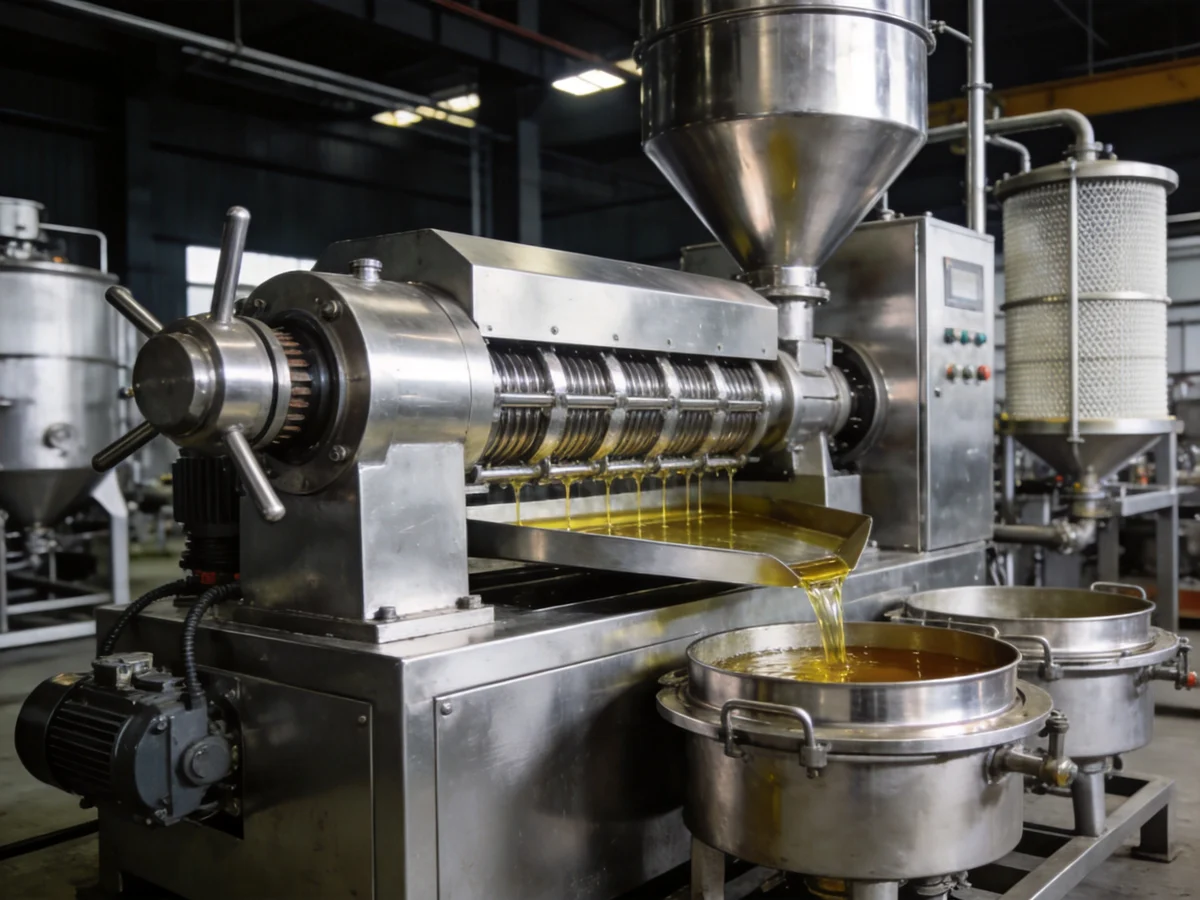
- Define the market first. Specialty / clean-label buyers reward cold-pressed; mainstream cooking-oil buyers want neutral, stable refined oil. Your channel decides more than the seed does.
- Set the required shelf life and smoke point. Long shelf life and high-heat frying point to refined; gentle cooking and fast turnover allow cold-pressed.
- Check the oil type. Some seeds are sold almost exclusively refined; others have a real cold-pressed market. Don't force a position the seed doesn't support.
- Weigh yield and cost. Cold-pressed leaves more oil in the cake and adds little equipment; refining recovers more oil and adds value but needs a refinery and energy.
- Consider a two-product strategy. A premium cold-pressed line plus a refined commodity line can serve both ends of the market from one seed intake.