
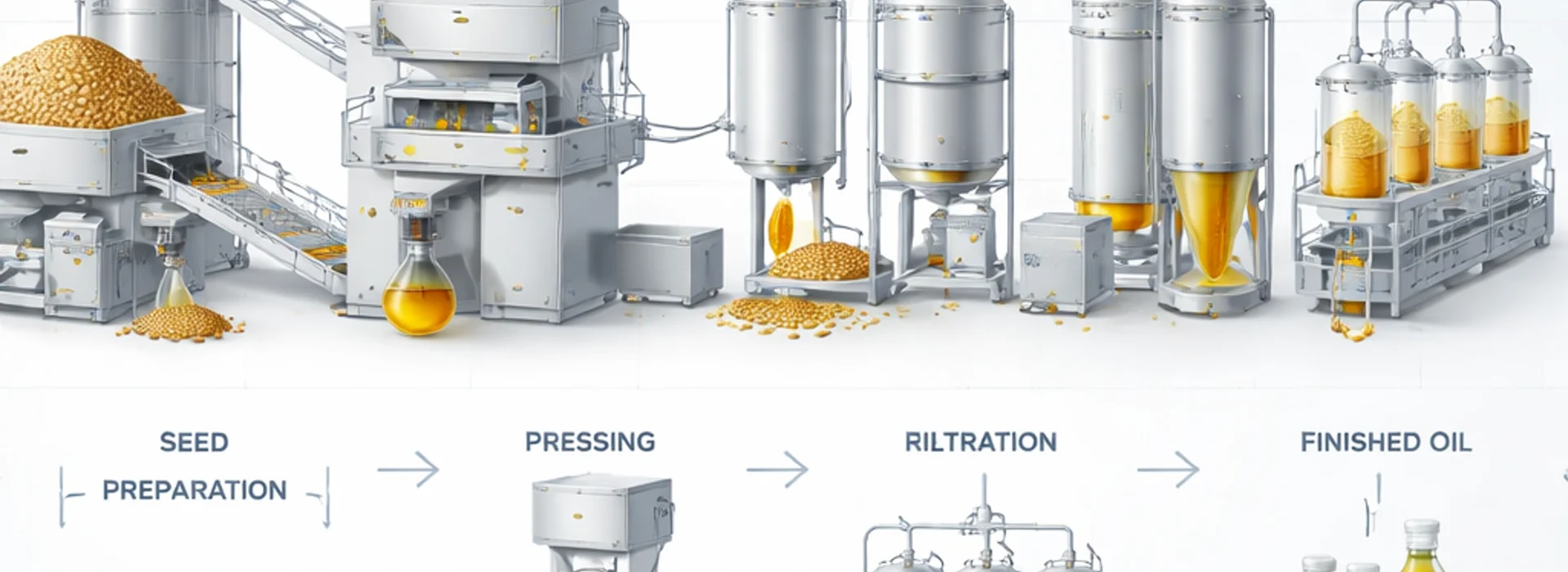
Oil Filtration Line — Pure Oil Starts Here
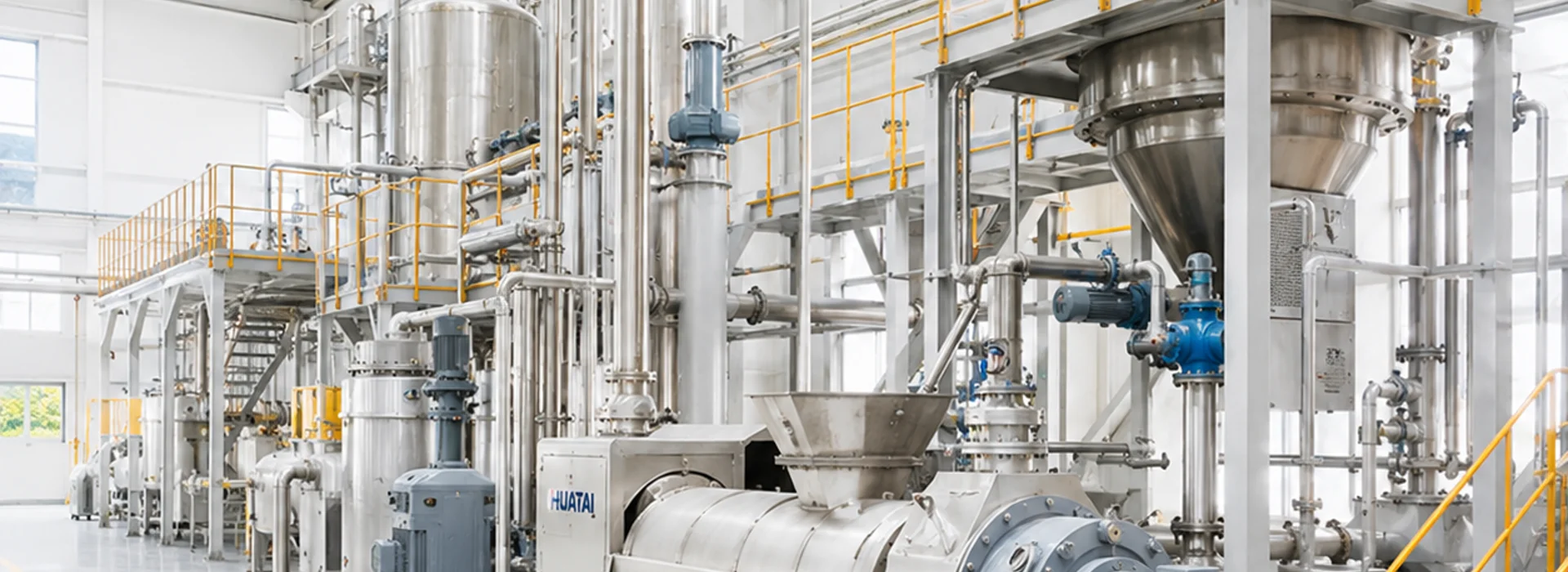
Integrated plate filter, vacuum filter and pressure filtration systems that remove solids, phospholipids and moisture from crude oil — delivering clear, shelf-stable edible oil before storage or refining.
Why Oil Filtration Is Essential
After pressing, crude oil still carries cake fines, phospholipids and moisture — filtration is the most efficient step to improve clarity, shelf life and downstream refining performance
Remove Suspended Solids
Press cake particles, seed fragments and phospholipid gums cloud crude oil and accelerate rancidity. Filtration removes these solids for a bright, market-ready appearance.
Reduce Moisture
Excess water promotes hydrolysis and microbial growth in storage tanks. Vacuum filtration and settling tanks lower moisture to safe levels before bottling or refining.
Extend Shelf Life
Clean, dry oil resists oxidation and off-flavors during transport and retail display — protecting your brand reputation and reducing product returns.
Prepare for Refining
Pre-filtration reduces load on degumming and neutralization stages, lowering chemical consumption and improving refining efficiency when you upgrade to a full refinery line.
Oil Filtration Equipment
Plate filter press, vacuum oil filter and pressure filter machine — configured as single units or multi-stage lines for peanut, soybean, sunflower, sesame and rapeseed oils
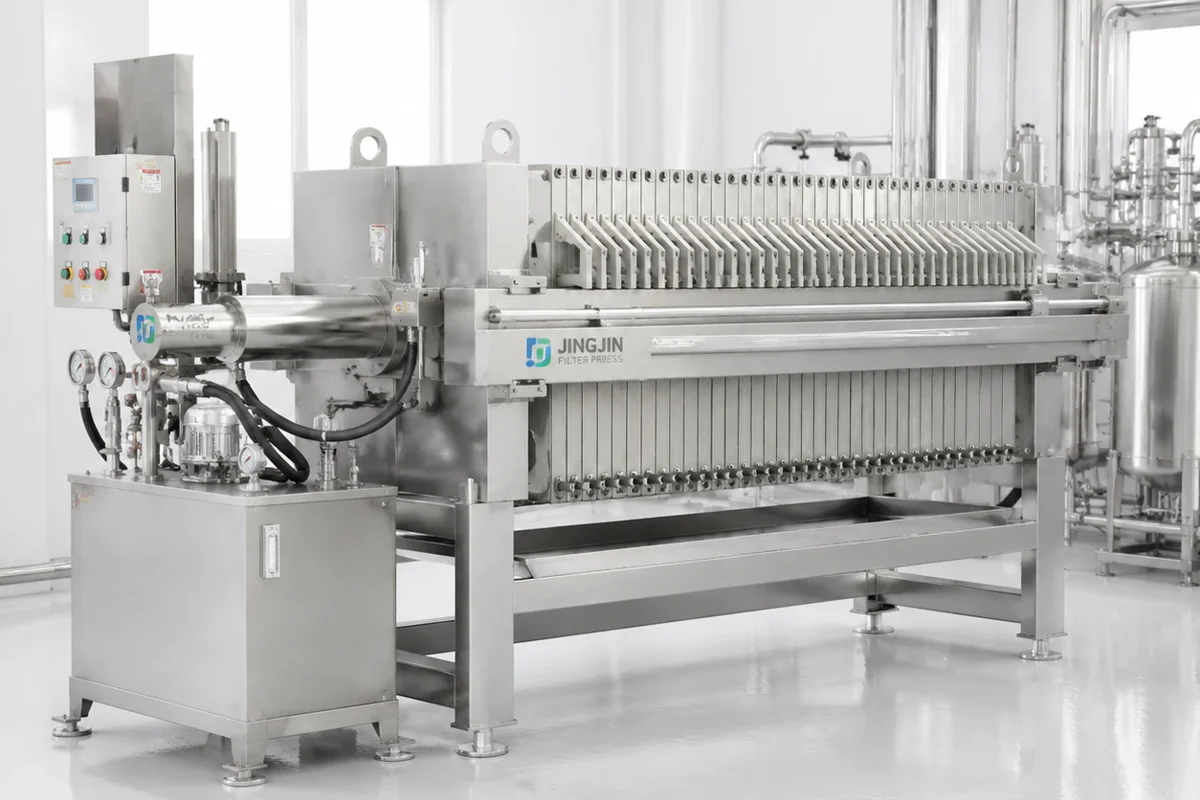
Plate Filter
BAS-series plate-and-frame filter press for primary clarification — removes cake fines and phospholipid gums with high throughput on commercial and industrial lines.
View Equipment →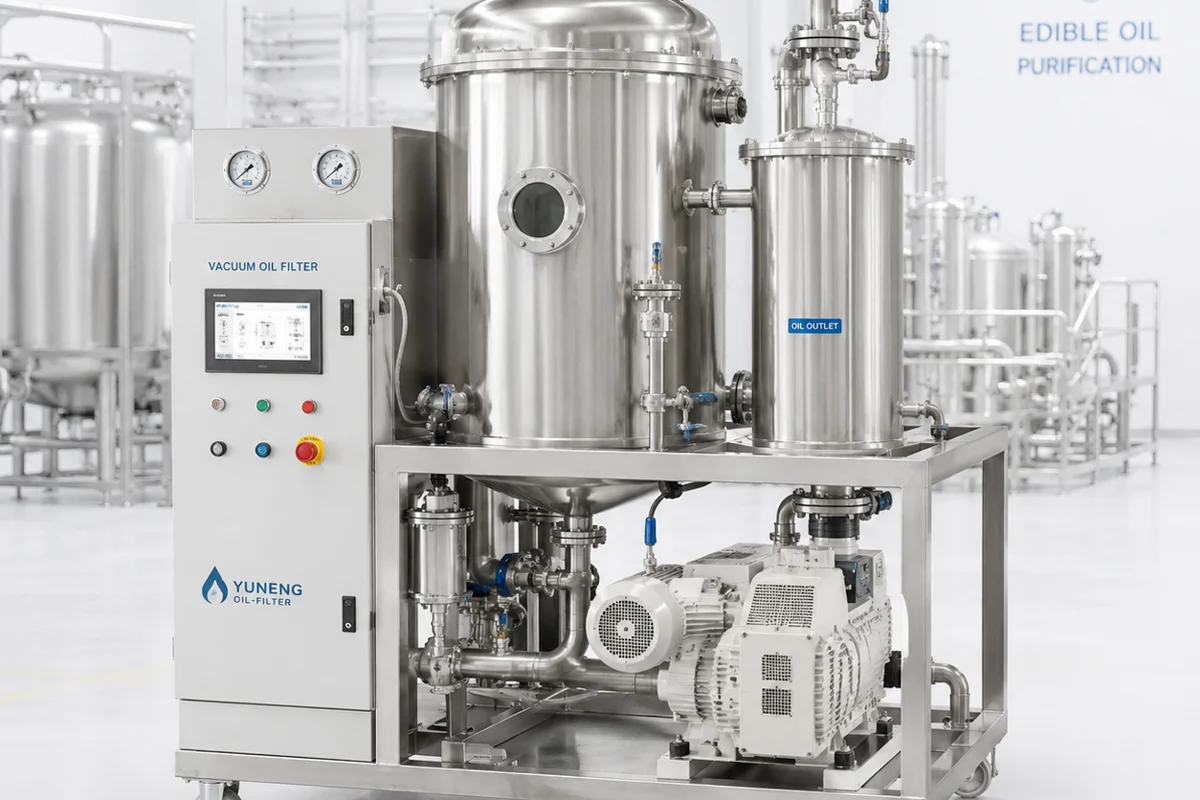
Vacuum Filter
Vacuum-assisted filtration draws oil through filter media under reduced pressure — ideal for fine polishing, moisture reduction and continuous workshop operation.
View Equipment →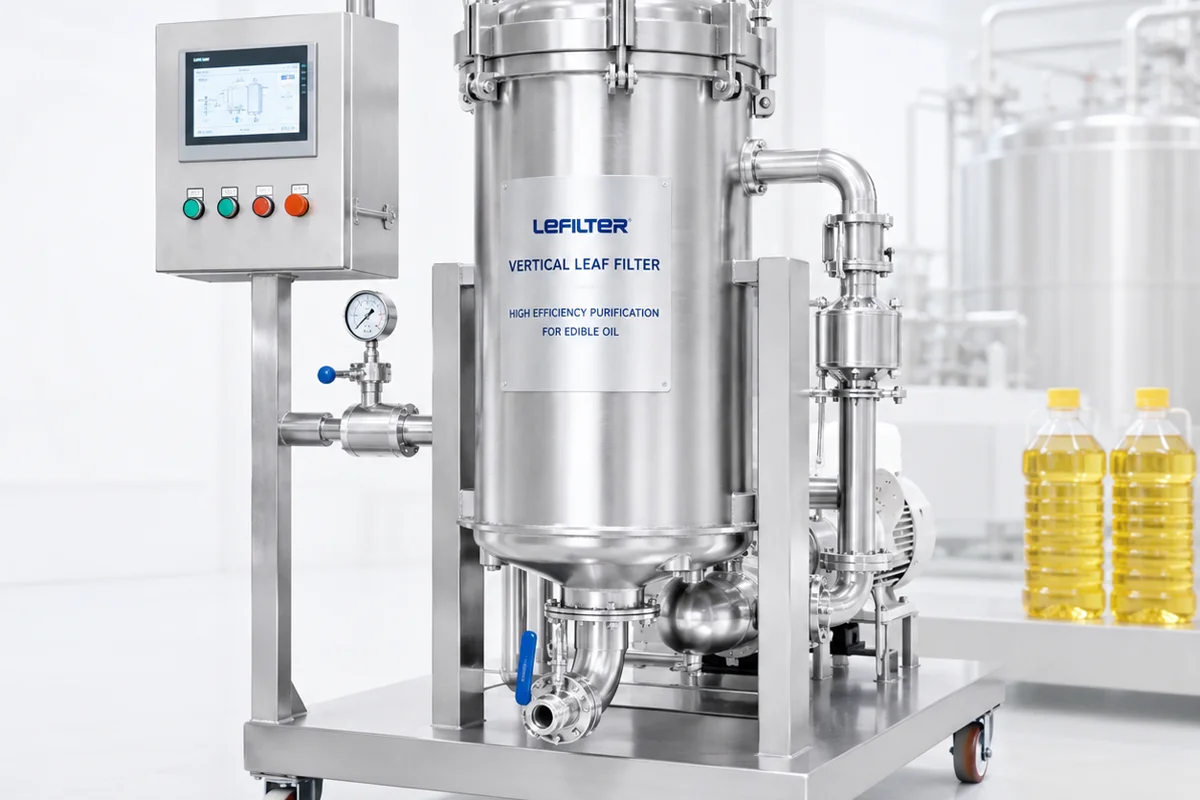
Oil Filter Machine
Compact pressure filter units for small mills and specialty oils — simple operation, low footprint and fast filter media replacement between batches.
View Equipment →Need pumps, tanks or a full category overview? Browse all oil filtration equipment →
Filtration Methods Compared
Compare plate filter press, vacuum filtration and pressure filter machine to choose the right purification technology for your crude oil volume and quality target
| Parameter | Plate Filter Press | Vacuum Oil Filter | Pressure Filter Machine |
|---|---|---|---|
| Principle | Plate-and-frame pressure filtration | Vacuum draw through filter media | Positive pressure cartridge filtration |
| Typical capacity | 200–2,000+ L/h per press | 100–800 L/h per unit | 50–300 L/h per unit |
| Solids removal | Excellent — primary clarification | Very good — fine polishing | Good — batch finishing |
| Moisture reduction | Moderate (with settling) | High — vacuum dehydration | Low–moderate |
| Operation mode | Batch cycles — cloth cleaning | Continuous or semi-continuous | Batch — quick media change |
| Best for | 5–100+ TPD commercial plants | Fine filtration and moisture control | 1–5 TPD workshops, specialty oils |
| Investment level | Medium–high | Medium | Low–medium |
Most edible oil plants use a two-stage line: plate filter press for primary solids removal, then vacuum filter for fine polishing and moisture reduction. Small mills may use a single pressure filter machine for direct bottling of lightly pressed oils.
The Filtration Process
Four integrated steps from crude oil collection to clean oil ready for storage, bottling or refining
Crude oil from the oil pressing line enters the filtration stage. Clean oil can be bottled directly, stored for sale, or sent to refining equipment when degumming and deodorization are required.
Frequently Asked Questions
Yes, for most markets. Even unrefined edible oils must meet basic clarity and moisture standards. Filtration removes visible solids that settle in bottles, shortens shelf life and triggers customer complaints. A simple plate filter or pressure filter machine is often the minimum investment for commercial sales.
Plate filter press handles primary clarification with high solids loading. Vacuum filter follows for fine polishing and moisture reduction on oil that is already largely clear. Reversing the order clogs vacuum media quickly and increases operating cost. We design lines with the correct sequence for your daily throughput.
Filtration removes physical impurities — solids, some gums and moisture — through mechanical separation. Refining uses chemical and thermal processes (degumming, neutralization, bleaching, deodorization) to remove free fatty acids, pigments and odors. Many plants filter first, then refine when targeting supermarket-grade oil.
A single pressure filter machine for a small workshop may start from USD 2,000–5,000. A complete 5–20 TPD filtration line with plate press, vacuum filter, pumps and tanks typically ranges from USD 15,000–40,000. Industrial multi-press plants are quoted individually. We provide itemized quotations after reviewing your daily oil volume and quality targets.
Yes. Many clients retrofit filtration between existing presses and storage tanks to improve product quality without replacing the press line. We supply layout drawings for connecting settling tanks, filter presses and transfer pumps with minimal production interruption during installation.
Ready to Build Your Oil Filtration Line?
Tell us your daily oil volume, target clarity and whether you bottle directly or refine — our engineers will recommend plate, vacuum or pressure filtration configuration within 48 hours.
Watch It Run
See This Machine In Action
A real SinoOil machine demonstration — see how it works before you buy.