
Seed Roaster Heating Methods Compared
Roaster selection starts with material behavior, batch size, desired roast profile, energy availability and cleaning—not with the heat source name alone.
SinoOil factory demonstration · induction roasting
Inspect an induction roasting pan before comparing heat sources
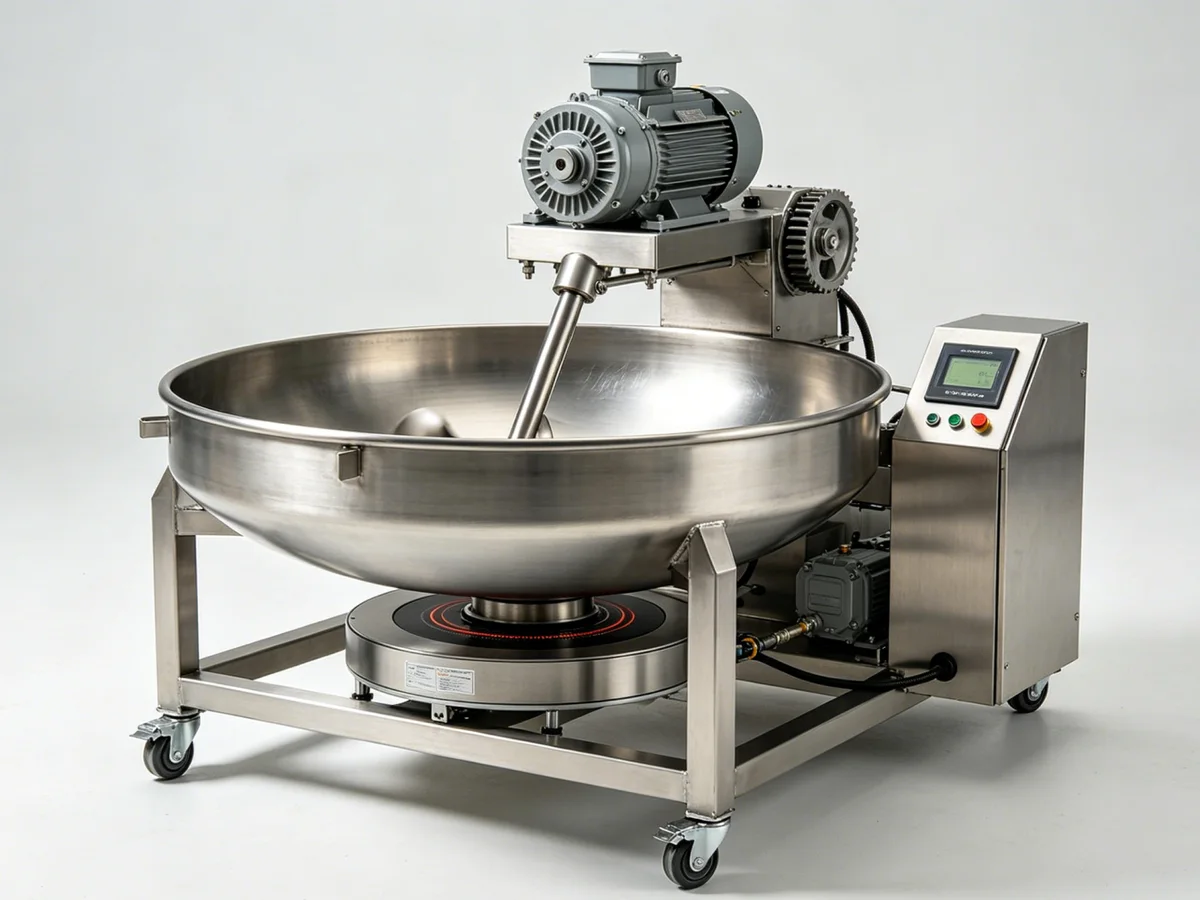
Heating-method comparisons are easier when the control surface and vessel geometry are visible. This walkthrough shows one electromagnetic pan, its stainless-steel body and adjustable electrical controls.
What to watch:
- Open stainless-steel pan and agitator arrangement
- Induction control interface on the shown configuration
- Adjustable 15–30 kW labeled heating range
Source: SinoOil Machinery official YouTube channel. The clip demonstrates only the shown induction pan. It does not compare energy cost, roasting uniformity or product quality against gas, solid fuel, electric resistance or thermal-oil systems.
Start with the process duty
Drum and flat-bottom machines mix material differently. Induction, electric thermal-oil and fired thermal-oil systems also have different utility and control requirements. A representative seed test is the safest way to confirm a process window.
Engineering note: Final ratings, materials, utilities and operating limits must be confirmed in the current technical agreement for the supplied machine.
Decision matrix
| Method | Primary advantage | Key confirmation |
|---|---|---|
| Drum roaster | Continuous tumbling and familiar operating pattern | Residence time, discharge control and heat distribution |
| Induction flat-bottom | Electric heating without a direct flame at the pan | Electrical capacity, control range and batch mixing |
| Electric thermal-oil | Indirect electric heating through a thermal-oil circuit | Heater rating, oil circuit, warm-up and temperature control |
| Fired thermal-oil | Indirect heating using an available fuel source | Fuel, burner/furnace arrangement, ventilation and thermal-oil safety |
| Biomass-fired support | Can use suitable biomass fuel where available | Fuel consistency, ash handling, feeding and emissions requirements |
Practical checklist
Send a material sample when possible
- Seed type, initial moisture and impurity
- Desired flavor/color or pretreatment objective
- Batch size and target throughput
- Available electricity and fuel
- Required cleaning between materials
Do not copy one temperature blindly
- Temperature and time depend on seed, moisture and equipment
- Measure the material—not only the heater setting
- Record batch results and adjust gradually
- Protect operators from hot surfaces, fumes and moving parts