
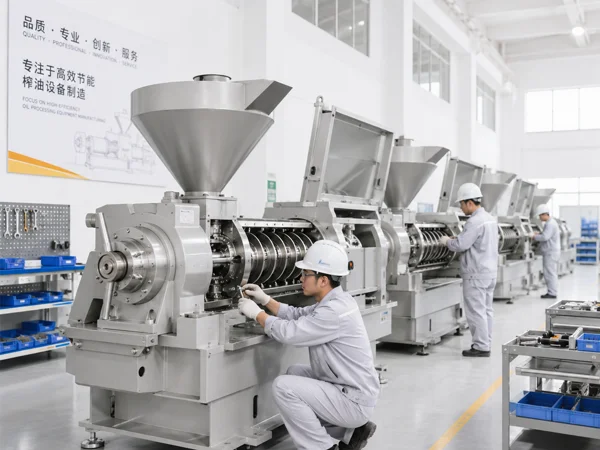
Before equipment delivery
Site Utilities & Pre-Installation Checklist
Resolve utility and access mismatches before shipment. Exact loads and connection sizes must come from the approved technical schedule.
Start with the process duty
This checklist helps collect project inputs; it is not a substitute for an electrical, structural, fire or food-safety design prepared for the installation location.
Engineering note: Final ratings, materials, utilities and operating limits must be confirmed in the current technical agreement for the supplied machine.
Practical checklist
Electrical
- Voltage, phase and frequency match the approved machine
- Connected load and starting current are reviewed
- Isolation, earthing and protection are designed locally
- Cable routes stay clear of heat, water and moving parts
Water, heat and air
- Cooling or process-water quality and temperature are known
- Fuel or thermal-oil system is approved where required
- Compressed-air pressure and quality are confirmed where required
- Ventilation and exhaust address heat, fumes and dust
Building and logistics
- Door, aisle, crane and forklift access suit the largest item
- Floor, foundation and anchoring are reviewed
- Drainage supports cleaning without contaminating product areas
- Material flow avoids cross-traffic between raw seed, oil and waste
Documents to request
- Final layout and connection-point drawing
- Electrical schematic and motor list
- Utility schedule
- Packing list and lifting guidance
- Installation and commissioning plan
Related next steps
Small oil mill utility plan
Prepare one utility schedule for the whole line, then confirm each connection against the selected equipment data sheet.
| System | Planning input | Who must confirm it |
|---|---|---|
| Electrical | Local voltage/frequency, installed load, starting method, protection, earthing and cable route | Equipment supplier and licensed local electrician |
| Heating | Electric, steam, thermal oil, gas or biomass source; ventilation and safe fuel handling | Process engineer and local safety authority |
| Water and drainage | Process water quality, cooling loop, washdown, floor falls, effluent and oil interception | Process/civil designer and local authority |
| Compressed air / vacuum | Required quality, pressure/flow basis, receiver, isolation and condensate handling | Supplier after final model selection |
| Space and access | Machine envelope, service clearances, lifting route, operator flow and future expansion | Layout owner, supplier and installer |
Responsibility boundary: website guidance identifies the questions. Final ratings, connection points, protective devices and civil requirements must come from approved model drawings and be checked against local codes.